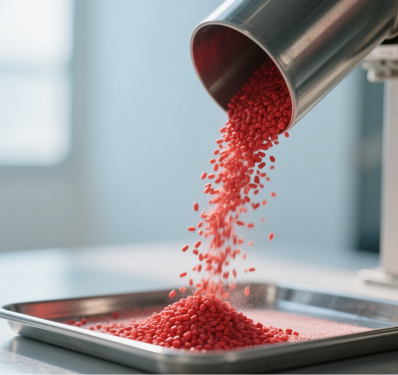
In recent months, China’s potassium fertilizer market has undergone a significant transformation, characterized by a controlled decline in prices driven by strategic government interventions. This development is crucial for the agricultural sector, which relies heavily on these fertilizers for crop productivity. As of July 22, 2025, market dynamics for Potassium Chloride (MOP) and Potassium Sulfate (SOP) offer valuable insights into the evolving landscape.
Current Price Trends and Market Observations (Week of July 22, 2025)
Prices in the potassium chloride market have significantly decreased across different product specifications. Prices for Port 62% white granular MOP have dropped by CNY 100–150 per ton, ranging from CNY 3,150 to CNY 3,450. Core clients are benefiting from lower pricing tiers, reflecting a strategic adjustment to stabilize the market. Similarly, prices for 60% red granular MOP have fallen by CNY 50–100 per ton, ranging from CNY 3,300 to CNY 3,500, amid limited transaction activity. Prices for 62% white MOP in the border trade segment have declined by CNY 50–80 per ton. Severe supply constraints continue to impact this market segment. In Qinghai, the price of 60% powder MOP dropped by CNY 100 per ton, settling within the range of CNY 3,200 to CNY 3,300 and establishing a new benchmark price.
| Product Specification | Price Range (CNY/ton) | Weekly Change | Key Observations |
|---|---|---|---|
| Port 62% White Granular | 3,150-3,450 | ↓ 100-150 | Core clients access lower pricing tier |
| Port 60% Red Granular | 3,300-3,500 | ↓ 50-100 | Limited transactions observed |
| Border Trade 62% White | 3,150-3,250 | ↓ 50-80 | Severe supply constraints |
| Qinghai 60% Powder (Delivered) | 3,200-3,300 | ↓ 100 (official) | New benchmark price established |
Conversely, the potassium sulfate (SOP) market remains relatively stable. Processed 52% water-soluble SOP prices have remained steady within the CNY 3,900–4,000 per ton range due to persistent cost pressures. Resource-based 50% powder SOP prices have also remained stable, ranging from 3,550 to 3,600 CNY per ton. A backlog of existing orders has maintained market equilibrium.
| Product Type | Price Range (CNY/ton) | Trend | Market Condition |
|---|---|---|---|
| Processed 52% Water-Soluble | 3,900-4,000 | Stable | Cost pressures maintain floor |
| Resource-Based 50% Powder | 3,550-3,600 | Stable | Backlog of existing orders |
Supply-Demand Analysis
The current inventory situation in China’s potassium fertilizer market is characterized by port stocks totaling approximately 1.9 million tons, which is below historical averages. Projected arrivals are limited until September due to domestic production challenges. Operations in Qinghai are running at reduced capacity, and Luobupo Potash is undergoing seasonal maintenance, further constraining supply.
Several key factors are influencing the market. First, the government has implemented policies, such as requiring key suppliers to report prices and volumes and releasing strategic reserves to target core industrial users. These measures are designed to stabilize prices and ensure an adequate supply. Additionally, prioritizing transportation for agricultural inputs aims to support the farming sector during critical periods.
However, supply constraints persist due to uncertainty in border trade and ongoing tightness in the international market, with orders from August still pending. Rail logistics bottlenecks further exacerbate the situation. On the demand side, a seasonal slowdown is expected in the third quarter. However, emerging autumn preparation demand and cautious inventory management by compound fertilizer producers suggest a potential recovery in the coming months.
Market Outlook and Projections
In the short term, over the next four to six weeks, prices are projected to gradually decline by CNY 50-100 per ton per month. Supply improvements are unlikely before mid-September, so it is essential to monitor key indicators, such as government stock release volumes, border trade negotiations, and international price movements.
Looking ahead to the medium term, the fourth quarter is expected to see a recovery in demand, which could further tighten the market. Inventory rebuilding efforts may put pressure on the market toward the end of the year. The government is likely to maintain its policy interventions through the 2025 harvest season to ensure stability and support the agricultural industry.
Conclusion
China’s potassium fertilizer market is currently experiencing a period of controlled price correction driven by government policies, supply constraints, and changing demand patterns. As the market adjusts, stakeholders must monitor key factors that will shape the future of this vital agricultural input. The strategic measures aim to balance supply and demand, ensuring a stable and sustainable market environment that benefits the broader agricultural sector.