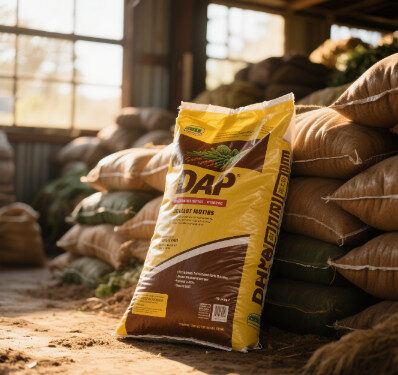
China’s exports of diammonium phosphate (DAP) reached an all-time monthly high in July, defying the subdued domestic market trend. According to the latest customs data and industry analysis, the export volume of this essential fertilizer climbed to 984,300 tons in July, which is a substantial increase of 478,000 tons from June and 472,500 tons more than in the same period last year. The average export price was $703.57 per ton. This robust performance contrasts sharply with the cumulative export total from January to July, which was 1.5833 million tons—a 22% year-on-year decrease.
Drivers of the Export Surge
The surge in DAP exports is primarily due to peak international demand and the fulfillment of several major tender orders. Most Chinese producers have exhausted their initial export quotas and are arranging shipments for remaining contracts. While the domestic DAP market remains stagnant, characterized by low trading activity and cautious sentiment among suppliers and buyers, international demand remains robust. Multiple large-scale global tenders have been launched, creating a vibrant export environment.
Key Export Destinations
In July, China shipped DAP to 32 different countries. The top three importers were Ethiopia (222,200 tons, accounting for 23% of total exports), Thailand (138,600 tons, 14%), and Nepal (98,000 tons, 10%).
Market Uncertainties and Future Outlook
However, the market is not without uncertainties. In Bangladesh’s latest private-sector tender, more than half of the awarded volume was allocated to non-Chinese DAP. Negotiations regarding Chinese supplies are ongoing. If Bangladesh does not soon confirm its acceptance of Chinese DAP, some suppliers may redirect their cargo to other markets, including India. Both Indian importers and Chinese exporters anticipate that additional Chinese supply could be directed toward India. Due to weak demand and expectations of increased export availability in September and October, Chinese DAP prices have already softened, dropping to $790–800 per ton FOB.
The second batch of export quotas has officially been allocated, but the implementation rules have yet to be clarified. Market participants are closely monitoring new order placements and international reactions to the potential increase in Chinese supply. Analysts suggest that if India resumes importing Chinese DAP, prices may stabilize. Conversely, if Bangladesh’s demand is met without additional Chinese purchases, producers may struggle to find new buyers, which would put further downward pressure on prices. However, given the limited size of the second export quota, any price decline is likely to be modest.
Looking ahead, exports in August are expected to decline slightly, yet remain relatively high compared to historical averages. The interplay of international demand, quota allocations, and market responses will continue to influence the future of China’s DAP export landscape.