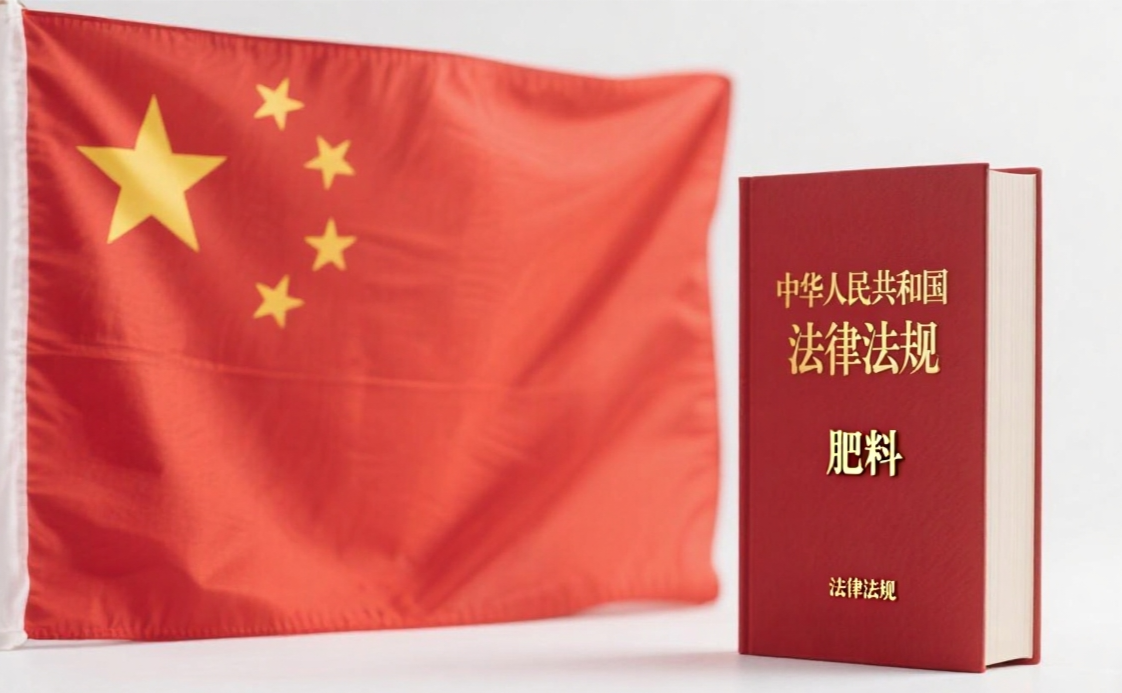
China is on the brink of enacting its first comprehensive national fertilizer law, a significant development aimed at strengthening the oversight of fertilizer production, distribution, and usage. This initiative underscores the country’s commitment to ensuring agricultural safety and sustainability, marking a shift from reliance on administrative measures to a formalized legal framework.
Currently, China’s fertilizer sector is regulated primarily through administrative measures rather than formal legislation. The Fertilizer Registration Management Measures have long served as the main regulatory framework, but growing calls for a more robust legal system have prompted action at the national level.
The fertilizer sector in China has primarily been regulated through administrative measures, with the Fertilizer Registration Management Measures serving as the main regulatory foundation. However, the increasing demands for a more robust legal system have necessitated action at the national level. The impetus for this legislation was significantly boosted by a proposal from Han Qiuxiang, a deputy to the National People’s Congress (NPC), during the Third Session of the 14th NPC.
The push for legislation gained momentum following a proposal by Han Qiuxiang, a deputy to the National People’s Congress (NPC), during the Third Session of the 14th NPC. In response, the Ministry of Agriculture and Rural Affairs (MARA), in coordination with the National Development and Reform Commission, the Ministry of Industry and Information Technology, the Ministry of Justice, and the State Administration for Market Regulation, has accelerated efforts to draft a fertilizer management law.
In its official reply to Han’s proposal, MARA emphasized that fertilizers are critical agricultural inputs that directly impact soil health, crop yields, ecological safety, and human and animal health. The ministry also highlighted the importance of sound fertilizer management in increasing farmers’ incomes, revitalizing rural areas, and promoting sustainable agricultural development.
In response to Han’s proposal, the Ministry of Agriculture and Rural Affairs (MARA) expedited the drafting of a fertilizer management law in conjunction with the National Development and Reform Commission, the Ministry of Industry and Information Technology, the Ministry of Justice, and the State Administration for Market Regulation. In their official response, MARA emphasized the critical role of fertilizers as agricultural inputs that influence soil health, crop yields, ecological safety, and human and animal health. The ministry also emphasized the importance of effective fertilizer management in increasing farmers’ incomes, revitalizing rural areas, and promoting sustainable agricultural development.
To advance the legislative process, MARA has taken several strategic steps.
- December 2024: Convened two seminars with relevant ministries, industry associations, and experts to establish consensus on the necessity and feasibility of a specialized administrative regulation.
- January 2025: Conducted joint field studies in six major fertilizer-producing and -consuming provinces, including Hubei and Shandong, to gather input from stakeholders.
- February and April 2025: Held two legislative workshops to refine the guiding principles, institutional design, and content of the draft regulation.
The draft ertilizer management regulation aims to integrate all stages of the fertilizer lifecycle—production, distribution, use, and supervision—into a comprehensive legal framework. MARA is committed to refining the draft through interdepartmental coordination and public consultation to ensure the regulation is practical and effective.
This legislative initiative reflects China’s commitment to improving agricultural governance, protecting farmers’ interests, and ensuring a stable supply of grain and other essential agricultural products. Once enacted, the regulation will signify a significant step forward in China’s efforts to modernize its agricultural regulatory system and promote environmentally friendly, high-quality development in the fertilizer industry.
Implementing this law is expected to enhance regulatory efficiency, ensure environmental sustainability, and support the long-term development of China’s agricultural sector. By establishing a comprehensive legal framework, China aims to set a new standard for fertilizer management that balances agricultural productivity with ecological responsibility.
In conclusion, China’s impending national fertilizer legislation represents a pivotal step toward achieving sustainable agricultural practices and ensuring food security. It also demonstrates the country’s dedication to environmental stewardship and regulatory modernization.