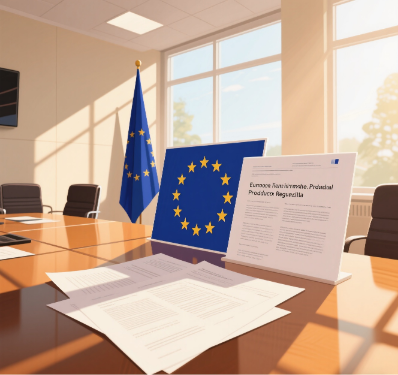
The European Union’s recent decision to impose additional tariffs on fertilizer imports from Russia has had a significant impact on the agricultural sector, affecting farmers and potentially influencing consumer food prices. As the EU aims to reduce its dependence on Russian supplies, the consequences of this decision are becoming increasingly evident.
European farmers are facing a substantial increase in fertilizer costs due to the new tariffs. Cédric Benoist, secretary-general of the French Wheat Farmers’ Association (AGPB) and head of the grains committee at Copa-Cogeca, aptly described the situation as “shooting ourselves in the foot.” The baseline tariff of 6.5%, along with an additional €40 to €45 per ton from 2025 to 2026, is driving up production costs and putting additional strain on farmers who are already dealing with high energy costs and strict environmental regulations.
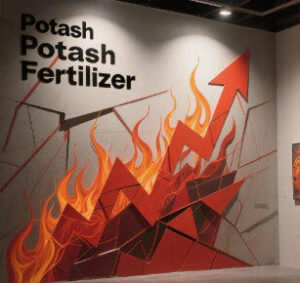
Global fertilizer prices have been rising, partly due to the EU’s tariff implementation. Urea prices have surged by 26.5%, reaching $496 per ton, while diammonium phosphate (DAP) prices have increased by 10%, rebounding to $736 per ton. These price hikes exacerbate the challenges faced by European farmers. According to Swati Kushwaha, an independent fertilizer market analyst, European suppliers are pricing above those in other regions. This is leading buyers to seek more expensive sources, such as Canada.
Russian producers are adapting to the changing market landscape by exploring new export markets. Dmitry Tatyanin, the CEO of the Russian fertilizer producer Uralchem, stated that his company is prepared to redirect exports away from Europe if necessary. Notably, data from the Norwegian firm Yara International shows that Russian fertilizer exports to Europe have increased significantly since the invasion of Ukraine. Urea imports from 2023 to 2024 were 48% higher than the pre-conflict average. This suggests that EU countries may have increased imports in anticipation of tariffs.
EU officials are closely monitoring the situation and have suggested that the full implementation of the tariffs could be delayed if fertilizer prices continue to rise rapidly. This cautious approach aims to mitigate the adverse effects on farmers and the broader agricultural industry. The industry lobby group Fertilizers Europe acknowledges that, while EU countries currently have sufficient stocks, the long-term impact of the tariffs on strategic autonomy is unclear.
The EU’s decision to impose tariffs on Russian fertilizers is a complex issue with far-reaching implications. Although the intention is to reduce dependence on Russian supplies and enhance strategic autonomy, European farmers are most acutely feeling the immediate effect in the form of increased costs. As the market adjusts and Russian producers seek new markets, the EU will need to carefully balance its strategic goals with the economic realities facing its agricultural sector. These unfolding dynamics will continue to shape the future of European agriculture and the global fertilizer market.