A recent warning from Australia has gone viral across media platforms, quickly becoming a top-trending topic. According to ABC News, blueberries sold in supermarkets in northern New South Wales were found to contain multiple pesticide residues. For a child weighing 20 kg, eating just a few berries could result in pesticide intake exceeding safe limits. This discovery has prompted Australian health organizations to issue a warning, urging local consumers to exercise caution when consuming blueberries for the time being.
The testing was led by Professor Kirsten Benkendorff of Southern Cross University, with samples analyzed at a nationally accredited laboratory in Sydney.
Multiple pesticide residues were detected in the blueberry samples, including dimethoate and thiometon. Of particular concern were the levels of dimethoate, which is used to control fruit flies. The study indicated that both children and adults could exceed the acceptable daily intake (ADI) after consuming less than a standard 125-gram box of blueberries.
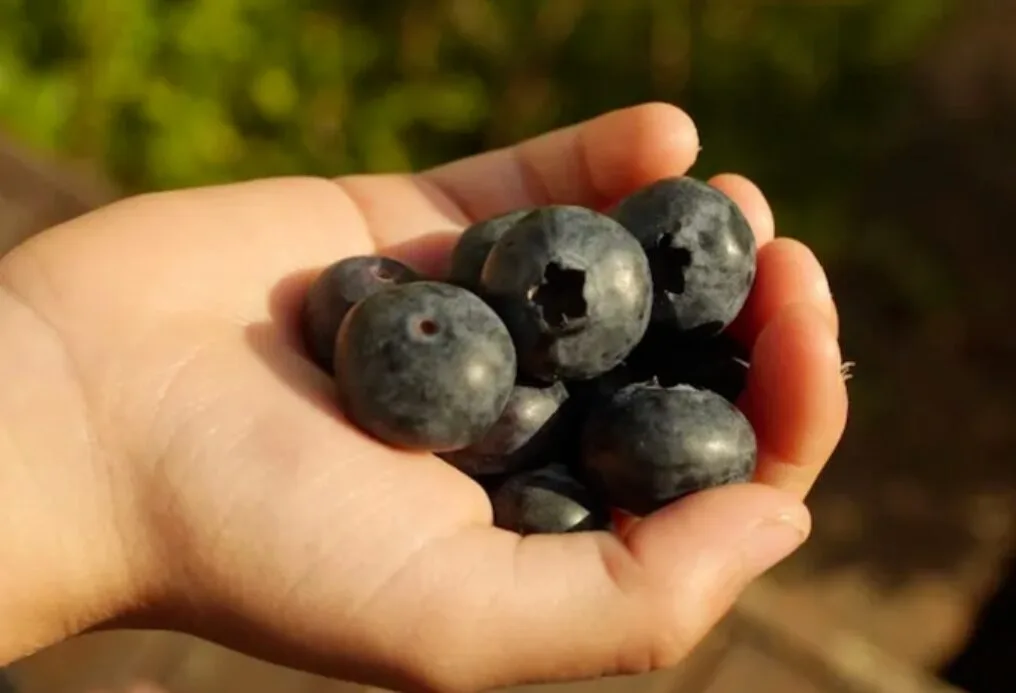
Test results from three blueberry samples showed that the pesticide residue levels were high enough for a 20 kg child to reach the intake limit after eating just a small handful of berries.
It is worth noting that while dimethoate remains approved for use in Australia, it was banned in the European Union in 2019 and is classified as a probable human carcinogen by the U.S. Environmental Protection Agency.
Additionally, thiometon—an insecticide banned in Australia since 2001—was also detected in multiple samples. Initial tests found high levels in one blueberry sample. In a second round of expanded testing covering 11 blueberry and 5 raspberry samples, 6 blueberries (including one organic product) and all raspberry samples showed trace amounts of thiometon.
Professor Benkendorff noted that the presence of this chemical in organic fruit raises questions about the pathways and causes of contamination. Agronomist Mark Percival suggested that spray drift from neighboring farms or water contamination may be responsible, emphasizing that the chemical typically breaks down within weeks and is unlikely to persist in soil for decades.
The Australian Pesticides and Veterinary Medicines Authority (APVMA) responded by stating that the detected residue levels are unlikely to pose serious risks to human health. However, regulators have proposed strengthened management measures, such as extending the pre-harvest interval for berries, to mitigate related risks.
Media reports indicate that if such measures are implemented, they would likely increase production costs and impact the berry industry, which is valued at approximately AUD 1.3 billion.
In the meantime, Australian food safety experts advise consumers to take preventive measures in their daily diets. These include washing berries thoroughly under running water, soaking them in diluted salt water or baking soda solution for 10 minutes before rinsing, and maintaining a varied fruit diet to avoid long-term accumulation of specific pesticides.
The APVMA is currently reviewing whether to formally restrict the use of dimethoate, with a final decision expected by the end of this month.