
Pakistan’s fertilizer consumption demonstrated robust growth in August 2025, with total nutrient offtake surging by 53.4% compared to the same period last year, according to the monthly fertilizer review by the National Fertilizer Development Centre (NFDC). Cumulative data for the Kharif season (April-August) reflects stable agricultural demand amidst fluctuating market conditions, registering a solid 15.9% increase.
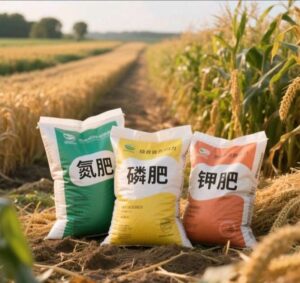
The month of August saw urea offtake reach 2.676 million tons, a 12.4% year-on-year increase, while Diammonium Phosphate (DAP) consumption grew by 8.7% to 552,000 tons. A breakdown by nutrient type reveals even more substantial growth: nitrogen-based nutrient offtake surged by 50.7%, phosphate by 69.3%, and potash by 49.3%.
Regional analysis highlights significant disparities. Punjab and Sindh witnessed the most substantial jumps in urea consumption, up 49.8% and 51% respectively. Conversely, Khyber Pakhtunkhwa (KPK) recorded only a marginal 1% growth. The offtake in Sindh and Balochistan skyrocketed by 119% and 96% respectively, whereas KPK experienced a 7.6% decline.
On the supply side, domestic fertilizer production in August totaled 835,000 tons. Urea was the leading product with an output of 597,000 tons, followed by NP fertilizers at 80,000 tons and Calcium Ammonium Nitrate (CAN) at 71,000 tons. Imports remained limited, with only 50,000 tons of DAP brought into the country.
Looking ahead, the NFDC forecasts a comfortable supply buffer for the remainder of the 2025 Kharif season. Projected urea availability is set at 4.27 million tons against an anticipated demand of 3.17 million tons. Similarly, for DAP, availability is estimated at 1.017 million tons, comfortably exceeding the forecasted demand of 703,000 tons.
Market prices in August presented a mixed picture. Urea prices saw a slight decrease, with the Sona brand edging 0.6% lower to 4,400 rupees per 50kg bag. In contrast, DAP prices rose by 3.7% to 13,508 rupees per bag. Prices for NP fertilizers and Single Super Phosphate (SSP) also increased by 4.1% and 2.1%, respectively, while international prices for urea and DAP in markets like China and the Middle East declined.
Bolstered by steady domestic production and sufficient buffer stocks, the domestic fertilizer supply chain is expected to remain stable for the rest of the Kharif season. However, regional disparities in offtake and fluctuating DAP demand may require close monitoring to ensure balanced supply across all agricultural regions.