Recently, China’s sulfuric acid market has shown a strong upward trend, with prices repeatedly hitting new highs. This rally is primarily driven by robust cost support and regional supply tightness.
Cost Pressure: The Core Driver
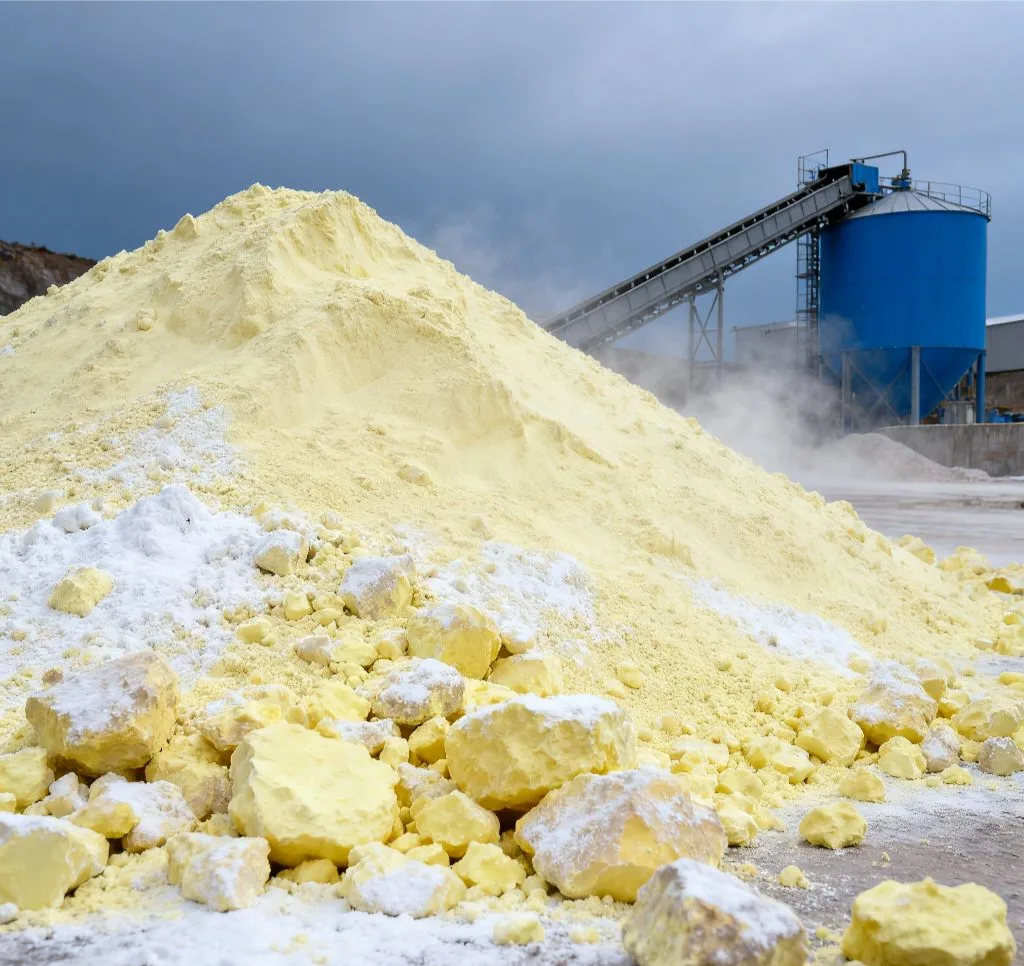
The most significant factor behind the price increase is the strong rise in raw material costs. Both sulfur and pyrite—the two main raw materials for sulfuric acid production—have seen sustained price increases.
-
Sulfur prices continue to surge:
Due to tightening Russian supplies and rising global demand, the international sulfur market is facing a supply crunch.
As of this report, spot transaction prices for imported bulk granules in the Yangtze River coastal region have risen to RMB 3,800–3,850/ton.
Producing one ton of sulfuric acid requires approximately 0.33 tons of sulfur, making sulfur cost changes a direct influence on sulfuric acid pricing. -
Pyrite prices are also rising, further strengthening cost support.
Supply Contraction: A Key Factor in Price Rises
Beyond cost pressures, supply-side contraction has also been crucial in pushing prices upward.
-
The sharp rise in sulfur prices has significantly increased production costs for sulfur-based acid plants, severely squeezing profit margins.
-
Under high-cost pressure, some enterprises have been forced to reduce or suspend production.
-
Raw material shortages have further restricted capacity utilization at some acid plants, exacerbating tight market supply and driving sustained price increases.
Against this backdrop of notable supply tightening, acid producers generally maintain low inventory levels and smooth shipments. This “shipment without pressure” situation has strengthened producers’ confidence in maintaining and raising prices.
Demand Side: Rigid Support
On the demand side:
-
The phosphate fertilizer industry, sulfuric acid’s largest downstream sector, has seen a gradual decline in operating rates since October.
-
As of this report, operating rates for monoammonium phosphate (MAP) and diammonium phosphate (DAP) have fallen to approximately 53.84% and 50.15%, respectively, with synchronized output reductions.
-
However, as sulfur prices continue to rise, some phosphate fertilizer producers are substituting sulfuric acid for sulfur, boosting external sulfuric acid procurement.
-
Other chemical sectors, such as titanium dioxide and caprolactam, are performing moderately, maintaining rigid demand for sulfuric acid.
Market Outlook: Continued Rise in the Short Term
In summary, short-term factors point to continued price increases:
-
Cost support remains clear.
-
Planned maintenance at facilities in Jiangxi, Guangxi, and Hubei from November to December will make it difficult to quickly alleviate supply tightness.
However, caution is warranted:
-
As sulfuric acid prices reach high levels, downstream resistance is expected to gradually intensify.
-
By January 2026, most maintenance is expected to conclude, and market supply will gradually recover.
-
Ahead of the Spring Festival, acid plants generally face inventory reduction needs, which may exert downward pressure on prices.
Market participants are advised to closely monitor upstream raw material trends, maintenance schedules at major acid plants, and sustainability in downstream demand.