Market Overview
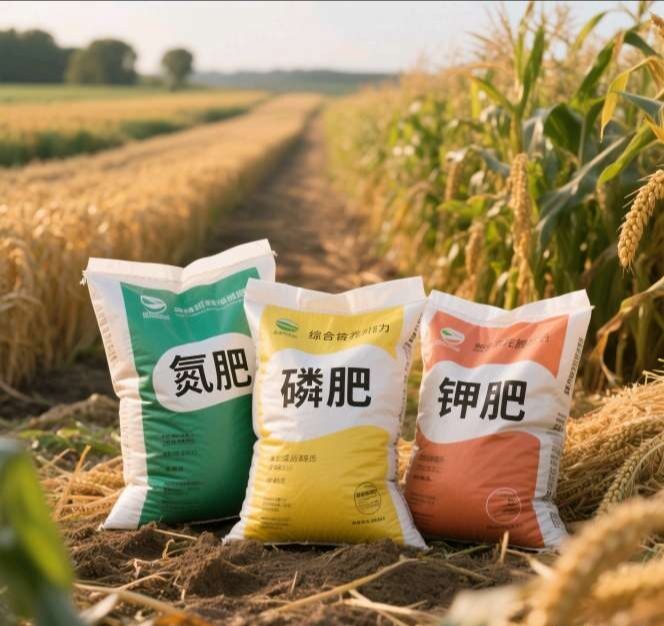
China’s fertilizer market saw mixed trends this week, with urea prices fluctuating within a range of RMB 20-70/ton. As of Thursday, the mainstream price range for small and medium-sized urea particles stood at RMB 1,500-1,620/ton. Key fertilizer products, including synthetic ammonia, phosphate fertilizers, potash, and compound fertilizers, demonstrated varied movements driven by cost pressures, supply-demand dynamics, and policy influences.
Key Product Analysis
-
Synthetic Ammonia
-
Prices weakened in major production areas, declining by RMB 50-150/ton due to sluggish demand and inventory pressure.
-
Future Outlook: Limited downside expected as prices hit lows. Regional adjustments may occur as gas-based plants in Southwest China reduce operations.
-
-
Urea
-
Daily production remained stable at 203,000-206,000 tons. Demand improved marginally, driven by restocking in Northeast China and reserve purchases.
-
The latest India tender (USD 418.40-419.90/ton CFR) provided moderate support to market sentiment.
-
Future Outlook: Prices may stabilize after recent gains, with potential narrow adjustments based on demand and supply fluctuations.
-
-
Phosphate Fertilizers
-
Monoammonium Phosphate (MAP): Prices held firm at RMB 3,600-3,650/ton ex-factory in Hubei, supported by rising sulfur and phosphate rock costs.
-
Diammonium Phosphate (DAP): Prices rose to RMB 4,000-4,050/ton ex-factory in Hubei, driven by tight supply and high input costs.
-
Future Outlook: Both MAP and DAP markets are expected to remain tight, with prices staying elevated due to cost pressures and limited supply.
-
-
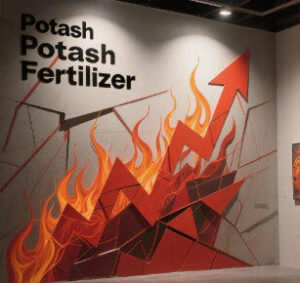
Potash Fertilizers
-
Potassium Chloride (MOP): Prices increased by RMB 50-100/ton, with 60% KCl at RMB 3,100-3,180/ton. Tight import supplies and trader hoarding fueled the uptrend.
-
Potassium Sulfate (SOP): Prices rose to RMB 3,850-3,950/ton for 52% powder, pressured by high MOP and sulfuric acid costs.
-
Future Outlook: Potash prices may consolidate at high levels, with limited upside as downstream buyers resist further increases.
-
-
Compound Fertilizers
-
Prices climbed by RMB 50-100/ton, with 45% sulfur-based formulations quoted at RMB 2,900-3,050/ton.
-
High raw material costs and low operating rates at smaller plants supported the price hike.
-
Future Outlook: Market sentiment may turn cautious as winter reserve policies unfold and demand weakens.
-
Raw Material Trends
-
Sulfur: Prices surged to RMB 3,970-3,990/ton at ports, supported by strong international offers and limited domestic supply. However, downstream resistance may curb further gains.
-
Sulfuric Acid: Prices strengthened across regions, with 98% sulfuric acid reaching RMB 1,010-1,060/ton in Shandong, driven by tight supply and rising sulfur costs.
Forecast for Next Week
-
Synthetic Ammonia: Regional adjustments likely, with limited downside.
-
Urea: Prices may stabilize amid high output and sporadic demand.
-
Phosphate Fertilizers: Firm trends to continue due to cost and supply constraints.
-
Potash: High prices may face resistance as downstream acceptance wanes.
-
Compound Fertilizers: Prices to hold steady, with focus on winter reserve policies.
-
Sulfur & Sulfuric Acid: Sulfur prices may consolidate amid weak downstream demand, while sulfuric acid remains supported by cost and supply factors.
Conclusion
The fertilizer market remains influenced by cost-driven pressures and cautious demand. While phosphate and potash sectors show resilience, urea and compound fertilizers face challenges from high supply and muted buying. Market participants should monitor raw material trends and policy developments for directional cues.