According to data from China’s Pesticide Information Network, the pesticide production license (No.农药生许(鄂)0042) held by Shengjie Life Technology (Qianjiang) Co., Ltd., the country’s only producer of S-methoprene technical material, expired on October 18, 2025.
Regulations stipulate that enterprises wishing to continue production must apply for a renewal with the provincial agricultural department at least 90 days prior to license expiration. Why didn’t Shengjie Life Technology apply for a renewal with the Hubei Provincial Department of Agriculture and Rural Affairs in a timely manner? On January 9, 2026, the author contacted relevant personnel at the company via telephone.
According to Manager Li, the contact person for S-methoprene technical supply services, the company is planning to relocate its production facility due to objective circumstances. As per the Pesticide Production License Management Measures, any change or addition of a production address requires following the procedures for establishing a new pesticide production enterprise. The company is currently applying to the Hubei Provincial Department of Agriculture and Rural Affairs for a new production license corresponding to the new address. Once the new license is issued, production of S-methoprene will resume.
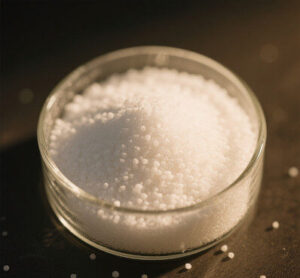
S-methoprene is an insect growth regulator belonging to the category of green biochemical pesticides. Compared to conventional insecticides, it offers advantages such as high activity, good efficacy, non-toxic action, environmental friendliness, and low risk of resistance development. It exhibits no cross-resistance with other insecticides and is effective against a wide range of insects including Lepidoptera, Diptera, Coleoptera, and Homoptera. It is widely used for controlling pests in public health, storage, and livestock settings. Currently, Shengjie Life Technology is also the sole registrant of S-methoprene products in China, holding registrations for four formulations: the 95% technical material, along with three formulated products—a 20% microcapsule suspension, a 4.3% granule, and a 1% granule—all classified as public health insecticides for controlling mosquito larvae outdoors.