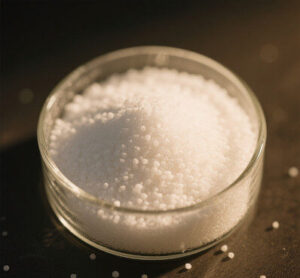

India, the world’s top urea importer, has formally requested China to ease its strict urea export restrictions, as the prolonged closure of the Strait of Hormuz triggers a severe global fertilizer supply crunch and threatens India’s critical agricultural planting seasons, multiple sources familiar with the matter confirmed on Monday.
The Strait of Hormuz, a vital maritime chokepoint handling nearly 40% of global seaborne trade and a bulk of liquefied natural gas (LNG) and urea shipments from the Middle East, has been effectively shut down amid escalating geopolitical tensions in the Persian Gulf. The disruption has crippled LNG supplies to India — a core feedstock for domestic urea production — and cut off key urea shipments from regional exporters including Iran and Qatar, leaving India facing a looming fertilizer shortfall ahead of its crucial June monsoon planting window.
Indian agricultural and diplomatic officials have held talks with Chinese counterparts in recent days, pressing for a temporary relaxation of Beijing’s urea export quota system and clearance for pending urea cargoes bound for India. Domestic urea producers in India have already scaled back operations or suspended production entirely, as LNG supply cuts leave fertilizer plants operating at roughly 70% of their required fuel capacity, threatening to derail crop cultivation for the world’s most populous nation.
China stands as the world’s largest urea producer, commanding a dominant share of global production capacity, and has long regulated urea exports via a quota mechanism to prioritize domestic agricultural demand, particularly during the spring planting season. For 2026, Beijing has yet to finalize and allocate official urea export quotas, leaving outbound fertilizer shipments in a state of regulatory limbo. While China approved limited urea exports to India in 2025, the current supply chain turmoil has pushed New Delhi to seek urgent, expanded access to Chinese urea stocks.
The crisis has sent global urea prices surging to a three-year high, jumping nearly 21% in recent weeks, amplifying concerns over India’s fertilizer subsidy burdens and food security. India has so far imported 9.8 million tons of urea in the current fiscal year ending March 31, with an additional 1.7 million tons of shipments scheduled to arrive in the coming months; however, industry analysts warn that prolonged Hormuz disruptions will far outpace these planned imports, leaving a sizable supply gap.
Beyond China, India has explored alternative urea supplies from Russia, Indonesia, Malaysia and Egypt, but industry insiders note that only China has the production capacity and logistical proximity to deliver urea quickly enough to mitigate India’s agricultural risks. The request also comes amid a modest thaw in bilateral economic ties, with India recently relaxing certain investment rules for neighboring countries, a move widely viewed as a gesture to improve trade and economic engagement with China.
Chinese authorities have not yet issued a formal response to India’s appeal. Officials in Beijing have previously emphasized that China prioritizes domestic food security and agricultural stability, and any adjustments to export controls will be made prudently based on domestic supply conditions and international market dynamics.
Agriculture experts caution that a prolonged urea shortage in India could weigh on crop yields for staples including rice, wheat and sugar, triggering broader food inflation risks across South Asia and global commodity markets. The outcome of India’s request to China is now poised to be a pivotal factor in stabilizing regional fertilizer supplies and safeguarding agricultural production in the coming months.