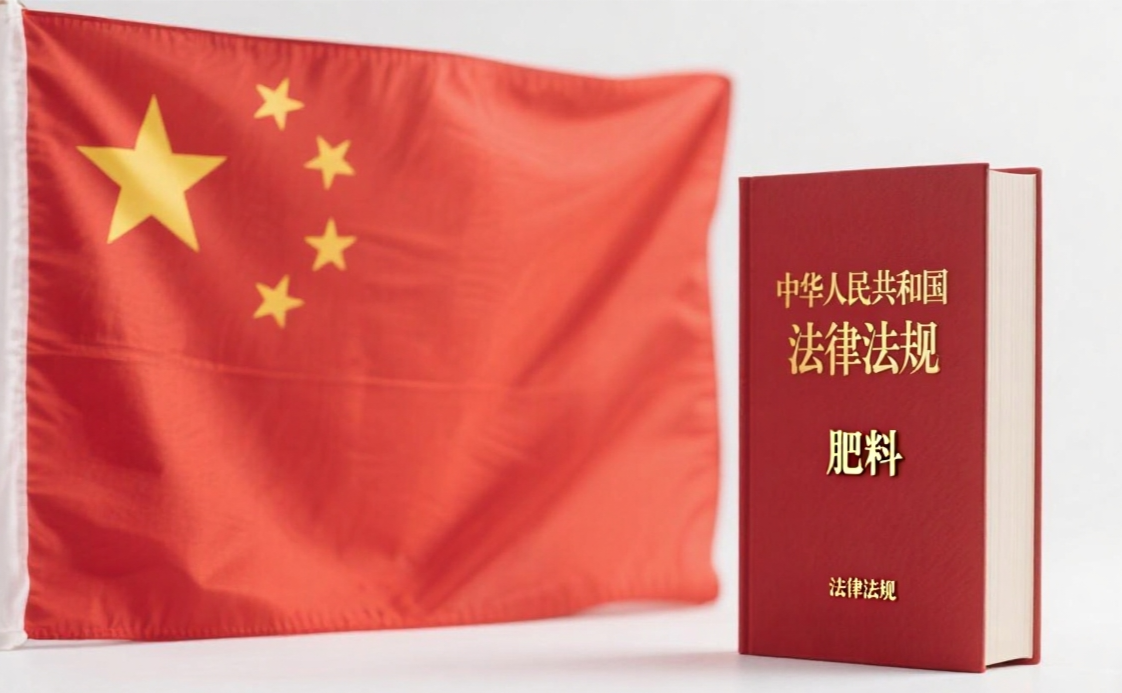
To safeguard concentrated fertilizer demand for agricultural production during the spring plowing season, relevant national authorities have decided to organize the early release of the 2025/2026 National Commercial Fertilizer Reserves (nitrogen, phosphate and compound fertilizers) effective immediately.
The directive requires participating reserve enterprises to sell nitrogen, phosphate and compound fertilizer reserve stocks in accordance with local demand, effectively meeting agricultural production fertilizer needs within their designated task regions while promoting orderly market transactions and price stability.
Strategic Timing Supports Spring Agriculture
The early release timing is strategically calibrated to coincide with the critical spring plowing period when agricultural fertilizer demand peaks. By making reserve stocks available ahead of schedule, authorities aim to ensure sufficient supply availability, moderate price fluctuations, and support farmers’ access to essential agricultural inputs.
Implementation Framework
Enterprises participating in the national commercial fertilizer reserve program are instructed to calibrate sales volumes based on regional agricultural demand patterns. This localized approach ensures that fertilizer distribution aligns with actual consumption requirements across different agricultural zones.
Market Stability Objectives
The initiative serves dual purposes: meeting immediate agricultural production needs while promoting orderly market functioning. By injecting reserve stocks into circulation, authorities seek to balance supply-demand dynamics and maintain price stability during the peak demand season.
Background
China’s National Commercial Fertilizer Reserve system serves as a strategic mechanism to ensure fertilizer supply security and price stability. The 2025/2026 reserve cycle’s early release demonstrates proactive policy intervention to support agricultural production fundamentals.
The move underscores China’s commitment to agricultural supply security and reflects responsive policy calibration to seasonal demand patterns in the world’s largest fertilizer market.