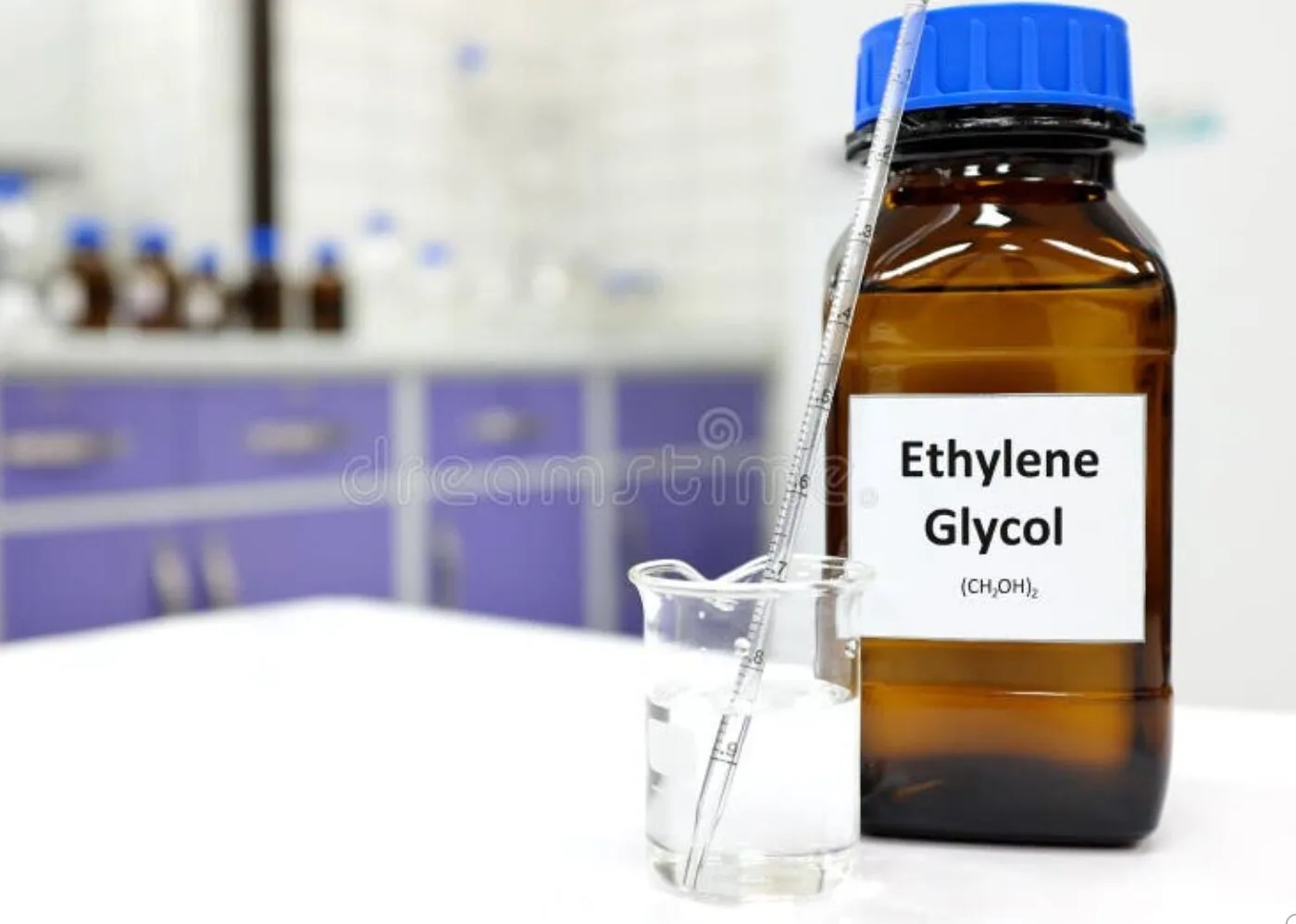
Recently, a wave of force majeure declarations and substantial production cuts or shutdowns from major petrochemical giants—including Saudi Aramco, SABIC, Qatar Energy, Singapore PCS, Indonesia’s Chandra Asri, and South Korea’s Yeochun NCC—has sent market supply tightness expectations soaring, triggering an accelerated rally in ethylene glycol (MEG) prices.
On March 6, the continuous front-month MEG futures contract extended its strong rally, surging more than 4% intraday to a high of 4,399 yuan per ton. Since the escalation of Middle East geopolitical tensions on February 28, the contract has posted a cumulative weekly gain of over 18%, making it one of the most geopolitically sensitive products in the polyester.
65% of Imports from the Middle East: MEG Becomes the Most Vulnerable Commodity
Ethylene glycol has emerged as the polyester sector’s most directly exposed product to Middle East geopolitical events. The price surge stems not just from cost pass-through, but from a toxic combination of three factors: high import dependence, extreme concentration of Middle Eastern supply, and vulnerability to a single shipping chokepoint.
Globally, total MEG capacity stands at around 58.85 million tons, with Asia accounting for 67% and the Middle East 19%—the world’s second-largest production hub, dominating global exports via low-cost oil and gas resources.
China, the world’s largest polyester producer, relies on imports for 28% of its MEG supply, with 65% coming from the Middle East. In 2025, China imported 5.03 million tons of MEG from the region, with Saudi Arabia alone accounting for 55%, and Kuwait and Oman each 5%. This extreme concentration makes the domestic market acutely sensitive to supply shifts in the Middle East.
Crucially, cargoes from Saudi Arabia, Iran, and Oman—three top MEG exporters—must pass through the Strait of Hormuz, the global energy shipping lifeline. Disruptions, suspensions, or surging surcharges on this route have sparked intense fears of supply disruptions, amplifying the geopolitical shock to MEG markets.
Compounding tightness, petrochemical firms across Southeast and East Asia—including Singapore PCS, Indonesia’s Chandra Asri, and South Korea’s Yeochun NCC—have declared force majeure and cut or halted operations, further stoking supply concerns for key chemicals like MEG.
Supply Contraction + Cost Support: A Structural Uptrend Begins
On the supply side, the crisis directly hits China’s MEG import market. Production and export disruptions in key Middle Eastern oil producers threaten domestic import volumes and supply stability, with markets now pricing in a sharp supply contraction.
On the cost front, Middle East tensions have lifted international crude prices. As MEG production is deeply tied to the oil chain, rising crude has lifted its cost base, providing firm price support. Geopolitical disruptions are also reshaping global MEG trade flows, with route adjustments and delivery delays worsening regional supply-demand imbalances.
In the short term, supply fears will drive volatile price swings, with cost factors acting as a floor. Over the medium to long term, a sustained escalation that widens the global supply gap could push MEG into a structural uptrend.
Leading Players Gain Advantage: Rongsheng Petrochemical Leads in Capacity
China’s MEG industry remains fragmented, but top players with concentrated capacity and full 产业链 integration are the biggest beneficiaries of the geopolitical shock.
- Rongsheng Petrochemical leads private-sector capacity at 2.4 million tons/year
- Shenghong Refining follows with 1.9 million tons/year
- Satellite Chemical ranks third with 1.82 million tons/year
These leaders stand to fully benefit from rising volumes and prices. The Middle East-driven volatility is accelerating industry consolidation. With advantages in capacity, cost, and 产业链 integration, firms like Rongsheng, Shenghong, and Satellite will see profit expansion during the price upcycle, while industry concentration is set to rise, strengthening their long-term market positions.