
As 2026 unfolds, the policy landscape for the agricultural inputs industry is undergoing a dramatic shift. Domestically, the focus is on green transformation, standardization, and technological advancement. Internationally, a stark divergence is emerging: while some markets are tightening regulations to an unprecedented degree, others are swinging their doors wide open.
These policy shifts are the key to understanding the new opportunities and challenges facing the agricultural inputs sector.
Domestic Landscape: Quality, Green, and Service-Oriented
The release of the 2026 “No. 1 Central Document” has once again placed agricultural modernization at the forefront of China’s agenda. Initiatives such as the new drive to increase grain production by 50 billion kilograms and the construction of high-standard farmland are creating stable, sustained demand for fertilizers and pesticides. Concurrently, quality supervision of agricultural inputs is becoming increasingly stringent.
Furthermore, the signal for a green agricultural transition marks a booming future for eco-friendly inputs. Pesticides and fertilizers with high pollution and high residue are being phased out more rapidly. Green products like biopesticides and biofertilizers are not only supported by policy but also eligible for subsidies, making their promotion and adoption easier.
The domestic message is clear:
-
Stricter regulation is forcing a standardized transformation, making compliance the baseline for corporate survival.
-
Green development is driving the optimization of product structures, ushering in an explosive period for eco-friendly inputs.
-
Technology is reshaping service models, with specialization and integrated services becoming core competitive advantages.
-
Supply security and price stability policies are building a foundation for industry growth, highlighting the urgent need for enhanced supply chain coordination.
International Markets: A Tale of Two Extremes
Globally, the policy environment for agricultural inputs is sharply polarized. The trend can be summarized as “strict control in the West, liberalization in Latin America, and unique rules everywhere else.”
The West: Regulation as a Strategic Tool
The European Union continues to enforce the world’s strictest regulations. The bloc has directly banned pesticides like flufenacet, and Denmark has taken the lead in banning 23 PFAS-containing pesticides, becoming the first EU member to systematically prohibit these substances. Even the levels of heavy metals and microplastics in fertilizers are strictly controlled, raising the barrier to entry for the EU market.
In 2025, the EU also reformed some of its regulatory mechanisms. A draft revision of Regulation (EC) No 1107/2009 suggests a move away from fixed expiry dates for active substances. The shift is towards a “risk-triggered” review system, meaning substances can be re-evaluated at any time if a risk is identified. To do business in the EU, companies must avoid banned ingredients and focus on developing low-risk, green products.
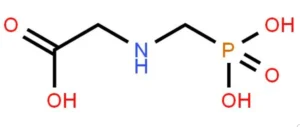
In the United States, agricultural inputs are now explicitly linked to national strategy. In February 2025, the U.S. designated glyphosate and elemental phosphorus as “critical defense materials,” with rules stipulating that actions must not harm domestic producers’ capabilities. This places greater emphasis on domestic production capacity and tightens scrutiny on the supply chain security of phosphate and potash fertilizers. Some states have also tightened limits on heavy metals in fertilizers. Furthermore, Spanish-language labels are now mandatory for restricted-use pesticides, underscoring that no detail is too small for compliance.
Latin America: The Great Liberalization
In stark contrast to the West, Latin American markets are simplifying their approval processes dramatically.
-
Mexico has eliminated hundreds of application materials, reducing approval times by up to 60%. The process for plant nutrients (fertilizers) has also been streamlined, creating a significant opportunity for market access in Central America.
-
Argentina has comprehensively updated its pesticide regulations through Resolution No. 458/2025 and Resolution No. 843/2025. The core of the reform is to recognize pesticide registration results from countries like the U.S. and the EU, allowing for simplified approval and the import of foreign-registered pesticides. With temporary imports permitted based on a declaration, product registration time has been slashed from three to five years down to just a few months.
For Chinese companies, this represents a prime opportunity to capture market share in Latin America. Seizing this window is crucial for a swift entry.
Other Key Markets: A Patchwork of Rules
-
India, to facilitate the smooth export of its premium basmati rice to the EU, has banned over a dozen pesticides in its main production areas.
-
Brazil has moved its entire pesticide registration process online and is requiring companies to submit comprehensive data on eight key pesticide ingredients, signaling a move towards greater standardization and oversight.
-
Cambodia is strictly regulating pesticide advertising, requiring permits for promotions and prohibiting exaggerated claims.
-
Japan and Australia continue to tighten their standards, either by intensifying random residue inspections or updating pesticide residue limits.
Global Trends and Strategic Implications for Chinese Enterprises
Several overarching global trends are clear: highly toxic and environmentally harmful pesticide ingredients are being phased out worldwide; electronic processing and international data mutual recognition are becoming the norm; green inputs like biopesticides and biostimulants are gaining favor; and food and supply chain security have elevated raw materials like phosphorus and glyphosate to strategic assets in many countries.
What Chinese Enterprises Need to Watch When Going Global
For Chinese agricultural input companies, success—whether in the domestic market or overseas—hinges on navigating these policy currents.
-
Domestically: Maintain strict compliance, increase R&D into green products, and refine service offerings.
-
Going Global:
-
In Western markets: Strategically position low-risk products well in advance to adapt to stringent regulations.
-
In Latin America: Capitalize on the simplified approval processes to enter the market quickly.
-
In markets like India and Brazil: Thoroughly understand local regulations and adapt products and registration strategies accordingly.
-
The global agricultural inputs industry in 2026 is a landscape of extremes. The opportunities are vast, but they belong to those who can read the shifting policies and adapt their strategies to a world that is simultaneously closing doors and opening windows.