
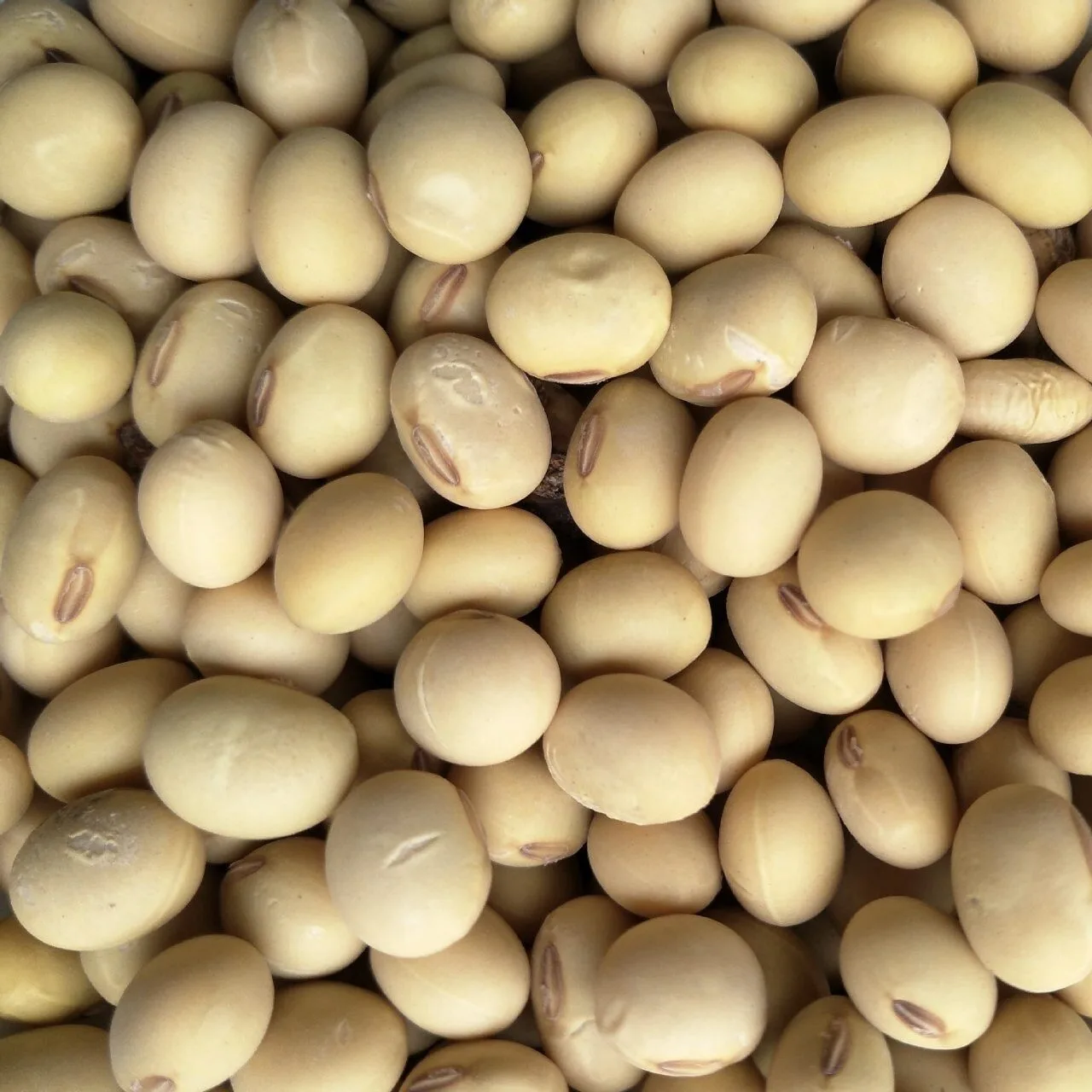
China’s soybean imports in the first two months of 2026 totaled 12.55 million metric tons, down 7.8% from the same period last year, according to customs data released Tuesday. The decline was attributed to a slower-than-usual Brazilian soybean harvest, delayed arrivals of US new-crop cargoes, and extended customs clearance times at Chinese ports.
Chinese customs authorities combine January and February data to smooth out distortions caused by the Lunar New Year holiday, which can significantly affect trade activity during the period.
Industry insiders noted that the drop in imports was largely a matter of timing rather than a reflection of weakening demand. US soybeans, harvested in the autumn of 2025, would typically have been the dominant supply source for China during the winter months. However, trade tensions between the US and China earlier in the season led Chinese buyers to hold back on large-scale purchases until after a meeting between the two countries’ leaders in late October. As a result, some US cargoes did not begin arriving at Chinese ports until late February, leaving them with little impact on the January–February import figures.
At the same time, Brazil’s 2025/26 soybean harvest has progressed more slowly than usual. Data from AgRural showed that as of last Thursday, farmers in Brazil had harvested 51% of the area planted with soybeans, down from 61% a year earlier and marking the slowest harvest pace in five years. Delays in harvesting and logistics have pushed back shipments from South America, further contributing to the lower-than-expected arrival volumes.
Extended customs clearance procedures at several Chinese ports also played a role in restraining the pace of imports.
Looking ahead, analysts expect China’s soybean imports to rebound significantly in the coming months as Brazil’s record-breaking crop becomes available and US cargoes continue to arrive. March arrivals are projected to reach approximately 6.4 million metric tons, compared with 3.5 million metric tons in the same month last year.
On the trade front, improving US-China relations have raised expectations for new purchases. US President Donald Trump said in early February that China was considering buying around 8 million metric tons of US soybeans. However, traders remain cautious about the scale of such purchases, noting that high prices could limit actual transaction volumes.