
The compound fertilizer market in China continues to operate weakly, with the winter storage procurement process progressing slower than expected. Key raw materials, including urea, phosphate fertilizers, and potash, remain soft in price, providing limited cost support for compound fertilizer production. Downstream distributors maintain a cautious stance, showing limited enthusiasm for stockpiling, while new orders from manufacturers are mostly small and scattered. Although some companies have introduced policies such as price protection and interest-bearing payments to encourage advance purchases, market response remains subdued.
Currently, the mainstream ex-factory price for 45% chlorine-based compound fertilizer is RMB 2,330–2,430/ton, while 45% sulfur-based compound fertilizer is quoted at RMB 2,700–2,800/ton, with some prices slightly lower than the previous week. Trading activity remains muted, with most transactions negotiated on a case-by-case basis.
Low Operating Rates and Easing Inventory Pressure
Compound fertilizer producers are maintaining low operating rates, with the industry average hovering between 34% and 36%. Companies continue to adopt a cautious production strategy, prioritizing sales-based output and inventory reduction. Although inventory pressure has eased following the end of the autumn fertilizer season, it will take time for social inventories to be fully drawn down, and overall supply remains ample.
Weakness in Raw Material Markets Persists
Raw material markets continue to show weakness:
-
Urea: Prices remain volatile, with small granular urea in Shandong quoted at RMB 1,580–1,630/ton.
-
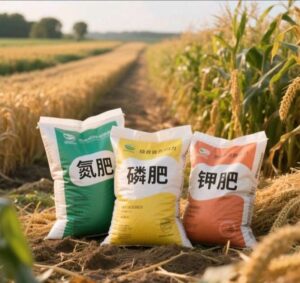
Phosphate Fertilizers: Monoammonium phosphate (MAP) faces ongoing pressure, with 55% powder MAP in Hubei at RMB 3,150–3,250/ton; DAP prices remain range-bound.
-
Potash: Prices stay low, with 62% white potassium at ports priced at RMB 2,920–3,180/ton.
Overall, weak raw material prices continue to provide insufficient cost support for compound fertilizers.
Slow Progress in Winter Storage Procurement
Despite ongoing efforts by major producers to promote winter storage policies, distributors remain cautious due to falling raw material prices. Advance payments and stockpiling activities are significantly lower than in previous years. While some regional inquiries for formulated fertilizers have emerged, actual transactions remain limited, reflecting restrained demand and ongoing buyer-seller negotiations.
Outlook
In the short term, the compound fertilizer market is expected to remain weak, with winter storage pricing negotiations continuing to dominate. Without clear signs of stabilization in raw material costs, a substantial market improvement appears unlikely. Some manufacturers may maintain flexible pricing to encourage shipments.
Market participants are advised to:
-
Adopt a rational approach, with distributors making small, batch purchases based on actual needs.
-
Adjust production and sales strategies flexibly, managing inventory prudently while ensuring channel supply.
Key factors to monitor include raw material price trends, environmental policy adjustments, and the progress of national fertilizer reserve programs.