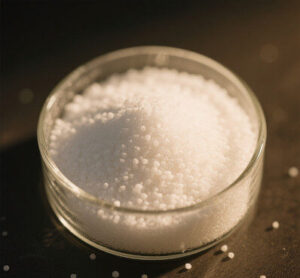
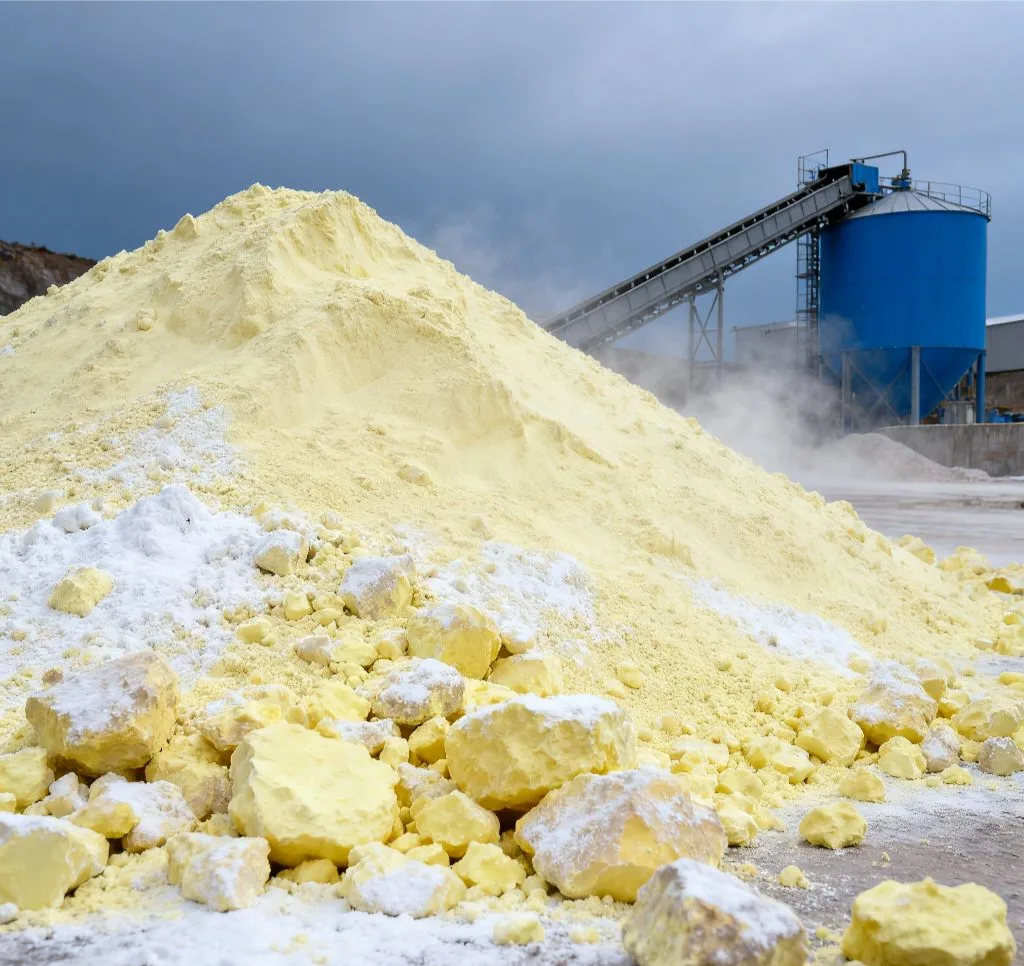
Shanghai, January 8, 2026 – The china sulfur market continued its upward trajectory in the first week of 2026. As of January 8, port granular sulfur prices in Zhenjiang rose to RMB 4,195 per ton, marking a 4.88% increase from RMB 4,000 per ton on December 31, 2025. In Shandong, solid sulfur reached a high of RMB 4,000 per ton, while liquid sulfur climbed to RMB 3,950 per ton. The dual factors of post-holiday downstream procurement and persistently high international USD prices have jointly fueled this price surge.
Price Movements
By January 8, granular sulfur prices at Zhenjiang port stood at RMB 4,195 per ton, up 4.88% from RMB 4,000 per ton at the end of 2025. In Shandong, local refineries’ liquid sulfur offers rose to RMB 3,850-3,950 per ton.
Underlying Causes:
The rally is primarily driven by elevated import costs. Qatar’s January FOB price rose to $517 per ton, with Qatari and UAE January contract prices up $22-25 per ton month-on-month. This pushed landed costs for imported sulfur in China generally above RMB 4,300 per ton. The high USD price environment was further evidenced by rumors of Formosa Plastics’ recent tender concluding at a high level around FOB $540 per ton.
Domestically, prices in Shandong, a highly sensitive market, remained at relatively high levels for both solid and liquid sulfur. East and South China followed suit with steady gains, pressured by high import costs and tight port inventories. North and Northeast China saw prices rise in tandem, supported by spring reserve demand, with Hengli Petrochemical’s tender result reported at RMB 4,035 per ton, boosting spot trading sentiment. Northwest China prices also increased due to external market influences and price hikes from major refiners, resulting in a nationwide uptrend post-holiday.
Supply Side:
High international prices have transmitted to the domestic market, inflating the cost of sulfur resources globally. Key factors include maintenance cycles at some Middle Eastern facilities, a major global supply region, and ongoing export restrictions from Russian refineries following damage incidents. These have significantly reduced globally available sulfur volumes. Holders, squeezed by high costs and encouraged by demand, showed strong reluctance to sell at lower prices, with some traders actively raising offers, further propelling spot prices upward. Port inventories reflected this tightness, with total sulfur stockpiles at major Chinese ports falling to 1.9111 million tons as of January 8, showing a clear destocking trend.
Domestic sulfur production saw little change this week, with daily output from major refineries around 32,200 tons and no large-scale maintenance plans. Despite suggestions from earlier supply guarantee meetings to increase sulfur output, sulfur is a by-product of petroleum refining and natural gas purification. Its production is tied to the scale of primary product operations, limiting significant short-term output increases.
Demand Side:
Although details of supply guarantee policies are not yet public, leading some small-medium traders and downstream plants to adopt a wait-and-see approach, daily spot market transaction volumes remained above 10,000 tons post-holiday. The market is currently in a critical spring fertilizer reserve period. Major downstream phosphochemical companies like Hubei Yihua and Xinyangfeng engaged in necessary post-holiday procurement, with active small-lot trading. Longzhong data indicates a recovery in operating rates for monoammonium phosphate (MAP) and diammonium phosphate (DAP) producers this week, providing solid demand-side support. Concurrently, steady demand growth for sulfuric acid from the lithium iron phosphate (LFP) battery sector has further bolstered sulfur consumption.
Market participants reported generally improved sulfur sales recently, with auctions frequently concluding at premiums. The “buy on rallies, not on dips” sentiment also contributed to the upward momentum.
Market Outlook:
Overall, this week’s price increase results from the combined impact of high costs and post-holiday procurement demand. In the short term, the market’s high-level operation is likely to persist. On the supply side, high import costs are expected to continue, and tight domestic supply is difficult to alter. Demand from spring reserves will continue through January-February, while demand from the new energy sector remains stable. The market will closely monitor the implementation details of potential government policies aimed at ensuring phosphate fertilizer supply and stabilizing prices. If policy interventions intensify, they could moderate market sentiment.