BEIJING, July 8, 2025 — According to industry data and market analysts, China’s fertilizer market displayed a mixed performance in early July. Compound fertilizers faced weak demand and price cuts, while phosphate fertilizers maintained stability with stagnant transactions. Potash experienced a bullish rally driven by supply constraints and geopolitical factors.
Compound Fertilizers: Weak Market Dynamics and Strategic Price Adjustments
The compound fertilizer segment has shown a “stable-to-weak” trend, marked by a decline in sales volume and subdued market enthusiasm. According to recent data, the segment experienced a 10% decrease in sales compared to the previous quarter. In response, manufacturers implemented selective price reductions of ¥30-50/ton to stimulate demand and clear existing inventories. As the autumn pre-sales season began, companies introduced “price-guaranteed, interest-bearing” strategies to entice early commitments from buyers. For example, Company A reported a substantial surge in orders in the northeastern region after announcing its price guarantee. Quotations varied by region:
- 45%Chlorine-based compound fertilizers were priced between ¥2,350 and ¥2,800 per ton in Hebei and Henan.
- 45% (15-15-15) sulfur-based variants were valued at ¥2,780–2,980/ton.
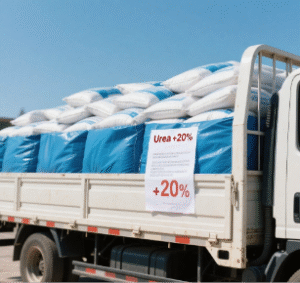
Key influencers included volatile urea costs and escalating potash prices, which bolstered cost support. Demand remained cautious as farmers held off on stockpiling and major brands delayed policy announcements, prompting smaller producers to offer early quotes and accelerate shipments. Overall, market sentiment was cautious, with participants waiting for more explicit signals from raw material price movements and pre-sale strategies.
Phosphate Fertilizers: Stable but Stagnant: Balancing Costs and Demand
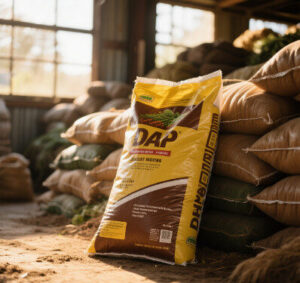
The monoammonium phosphate (MAP) and diammonium phosphate (DAP) markets have shown flat trajectories with limited trading activity. MAP (55% powder) prices stabilized across regions (e.g., ¥3,500-3,550/ton in Anhui and ¥3,200-3,250/ton in Yunnan), while DAP (64% granules) prices ranged from ¥3,800-3,850/ton in Hubei to ¥4,000-4,100/ton in Shandong. Both segments faced cautious buyer behavior, leading to slow new orders. One reason for the limited trading activity is the expectation of a seasonal dip in demand as farmers prepare for the upcoming planting season. In anticipation of this, farmers may adjust their procurement strategies by making smaller, more frequent purchases to mitigate risk and ensure flexibility in response to changing market conditions. Raw material costs remained steady, with sulfur prices declining, but phosphorite costs remained high. Industry observers noted a “stalemate,” as compound fertilizer plants gradually procure raw materials. Short-term forecasts predicted minor price adjustments but no significant shifts.
Potash Fertilizers: Bullish Rally Sparked by Supply Crunch and Policy Shock in Laos
Prices of potassium chloride (MOP) and potassium sulfate (SOP) surged due to tight domestic supply and geopolitical events. On July 7, MOP prices increased by ¥30-50/ton, with 62% white KCl priced at ¥3,400-3,450/ton, and Laos-origin potash increased by ¥50-100/ton, reaching ¥3,200-3,250/ton. The key catalyst was Laos’s ban on Vientiane potash projects, effective July 1, which triggered panic buying and inquiries. SOP (52% powder) increased by ¥50 to the lower end of the range, reaching ¥3,900-4,000/ton. Analysts emphasized that China’s heavy dependence on potash imports makes it highly sensitive to supply disruptions. The Laotian policy could reshape global dynamics, and further price hikes are likely if shortages worsen. Investors are advised to diversify their portfolios to mitigate risk from the potentially volatile potash market.
Key Takeaways and Future Outlook:
- Compound fertilizers: Monitor urea cost fluctuations and pre-sale policy clarity for potential regional price adjustments. – Monitor global economic trends that could influence urea pricing closely.
- Phosphate: Stability persists unless export demand surges. Currently, it is supported by limited domestic transactions. Producers should consider expanding into new markets to take advantage of potential demand growth.
- Potash: Elevated prices are expected to persist due to supply issues in Laos and geopolitical uncertainties. These risks could further disrupt the already vulnerable fertilizer market, leading to higher costs for farmers and impacting food security.
Final note: The strategic importance of supply chain resilience
The Laotian potash ban highlights China’s vulnerability to import dependencies. Market participants and investors should monitor policy shifts and explore alternative supply routes to mitigate risks. As geopolitical factors increasingly influence fertilizer markets, resilience in sourcing and inventory management will be critical for industry stakeholders. Producers should consider expanding into new markets to capitalize on potential demand growth.
Source: Latest Market Reports, July 2025; Industry Analyst Interviews; China Fertilizer Association Data