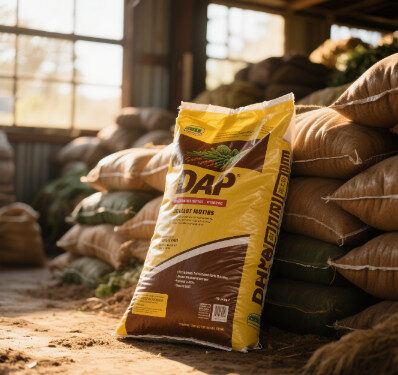
The Chinese domestic diammonium phosphate (DAP) market ended June with lackluster performance, marked by subdued trading activity. As summer fertilizer demand waned seasonally and the autumn procurement period approached, market sentiment turned cautious. July will be pivotal in determining whether the market can rebound, as several critical factors will influence the outlook. Adding specific data will further enhance the analysis and highlight the market’s dynamics.
Market Overview: Weakening Demand and Cost Pressures
In June, China’s DAP market showed little significant movement. Fluctuating raw material prices, especially sulfur prices, created a challenging environment for producers. Despite the surge in sulfur prices due to geopolitical tensions, overall production costs remained high, squeezing profit margins. Data shows that sulfur prices spiked by 12% in mid-June, reaching an average of 2,300 yuan per ton, compared to 2,050 yuan per ton at the start of the month. This directly impacted DAP production costs, as DAP production relies heavily on sulfur as a key input.
As expected, domestic demand was weak during the post-summer season, keeping ex-factory prices stable. For example, 64% DAP in Hubei Province was priced between ¥3,800 and ¥3,850 per ton. Producers shifted their focus to export orders to compensate for the lackluster domestic demand. However, trading activity failed to improve significantly as summer fertilizer distribution reached grassroots levels, leaving dealers with limited restocking demand. By late June, supply increased as producers prioritized exports and raw material costs softened slightly. This led to stagnant market conditions. Anticipation of autumn demand remains the pivotal factor in shaping the market’s future direction.
Production Trends: Modest Increase in Output
According to Longzhong data, China’s DAP output reached 1.008 million tons in June, marking a 0.56% month-on-month (MoM) increase but a 4.61% year-on-year (YoY) decrease. Operating rates improved to 53.50%, up 2.98% MoM. This increase in production was driven by resumed operations following maintenance periods and steady export demand. Looking ahead to July, output is expected to rise slightly, with capacity utilization rates estimated at around 55%, as producers continue to meet international orders. Notably, major producers in Hubei and Sichuan—accounting for 40% of China’s total DAP capacity—reported an output increase of 5–8% in June, indicating potential for further supply growth in July. This trend suggests an increased supply in the coming month, which could affect market dynamics if domestic demand does not increase accordingly.
Market Sentiment: Stability with Lingering Risks
A July sentiment survey revealed a mixed outlook. Eighty percent of respondents anticipate market stability, attributing this to supportive policies aimed at price stabilization, robust sulfur costs, and relatively low inventory pressure. Specifically, 70% of surveyed producers reported inventory levels below 30 days of production, reducing the risk of panic selling. However, 20% of participants forecast a decline in prices, citing weak seasonal demand and the potential for cost support to ease. The domestic market is expected to remain stable with minor adjustments, influenced by trends in raw material prices. However, the timing and extent of autumn demand will be critical determinants. If autumn stocking is delayed further, the market may face increased downside risks.
Globally, the DAP market presents a contrasting picture. While the Chinese market is experiencing stagnation, international DAP prices are holding steady due to tight supply and consistent demand. For instance, Indian DAP imports increased by 15% year over year in Q2 of 2025, driven by robust agricultural activity, creating a split market dynamic. This divergence creates opportunities for Chinese exporters, but it also puts pressure on them to maintain competitive pricing.
Key Factors to Watch in July
- Autumn Stocking Pace: The timing of autumn fertilizer purchases will be a crucial indicator. Historically, autumn procurement begins in late July or early August, accounting for 30-40% of annual domestic demand. If buyers step in early this year, it could significantly boost market sentiment. Delayed stocking, as seen in 2023 when autumn purchases started two weeks later than usual, led to a 10% price drop in September.
- Sulfur Price Movements: Any rebound in sulfur prices could put cost pressure on producers again. As of June 2025, China’s sulfur import dependency was 65%, with geopolitical tensions in key supplier regions (e.g., the Middle East) posing significant risks. A 10% increase in sulfur prices would raise DAP production costs by ¥150–200/ton, potentially forcing price adjustments.
- Export Performance: Sustained demand for DAP from international markets could offset domestic weakness. China exported 320,000 tons of DAP in June 2025, a 5% month-over-month increase, with major destinations including India (40%), Bangladesh (20%), and Southeast Asia (25%). Maintaining this export momentum in July will require competitive pricing and stable supply, as global demand remains robust.
Conclusion
In summary, the China DAP market is likely to see limited upside in July unless significant and timely demand emerges in the fall. Producers must navigate the balance between export opportunities and domestic market conditions, maintaining agility in their strategies to adapt to evolving market dynamics. Capitalizing on international demand while monitoring key domestic indicators, such as autumn stocking timelines, sulfur price fluctuations, and export order volumes, will be essential for success in the coming month. Data-driven insights, coupled with geopolitical and seasonal factors, suggest cautious optimism about a potential rebound. However, significant risks persist until demand fundamentals improve.
Key Data Recap:
June DAP Output: 1.008 million tons (up 0.56% month over month, down 4.61% year over year). The slight monthly increase is due to the recovery in demand from the agricultural sector. The year-on-year decline reflects the ongoing impact of global economic uncertainties.
Operating Rates: 53.50% (up 2.98% MoM). The improvement in operating rates suggests an increase in production activities, likely due to the seasonal increase in fertilizer demand and the easing of supply chain constraints.
July Capacity Utilization Forecast: ~55%. The forecasted increase in capacity utilization indicates expectations of further demand growth, particularly as the planting season progresses.
Sulfur Price Surge: +12% in mid-June (average ¥2,300/ton). This surge is primarily driven by increased global demand and supply disruptions, which affect fertilizer production costs.
Export Volume (June): 320,000 tons (+5% month over month). The increase in export volume indicates a strengthening of international demand, possibly due to global supply and demand dynamics and competitive pricing.
Autumn Procurement Window: Late July to early August (30-40% of annual demand). This period is crucial for meeting peak seasonal demand as farmers stock up on fertilizer for the upcoming planting season.