In a landmark study published in Nature, an international team of plant scientists unveiled a revolutionary discovery that challenges long-held beliefs about how plants sense nutrients. Identifying the Fixation Under Nitrate (FUN) protein as a zinc-responsive regulator of nitrogen fixation in legumes deepens our understanding of plant biology and holds immense promise for transforming agricultural practices.
The breakthrough: Unraveling Zinc’s Hidden Role in Symbiotic Systems
For decades, nitrogen fixation—the process by which legumes collaborate with rhizobia bacteria to convert atmospheric nitrogen into usable compounds—was believed to be primarily regulated by soil nitrogen levels. However, this new research reveals a startling twist: Zinc acts as a signaling molecule in this symbiotic process that was previously unrecognized. Through an extensive screening of over 150,000 mutant legume plants, researchers from Aarhus University, the Polytechnic University of Madrid, and the European Synchrotron Radiation Facility (ESRF) identified FUN as the master regulator that mediates zinc’s influence on nitrogen fixation.
Molecular Mechanism: A Zinc-Dependent Switch for Nitrogen Control
The FUN protein acts as a molecular switch that responds dynamically to cellular zinc levels:
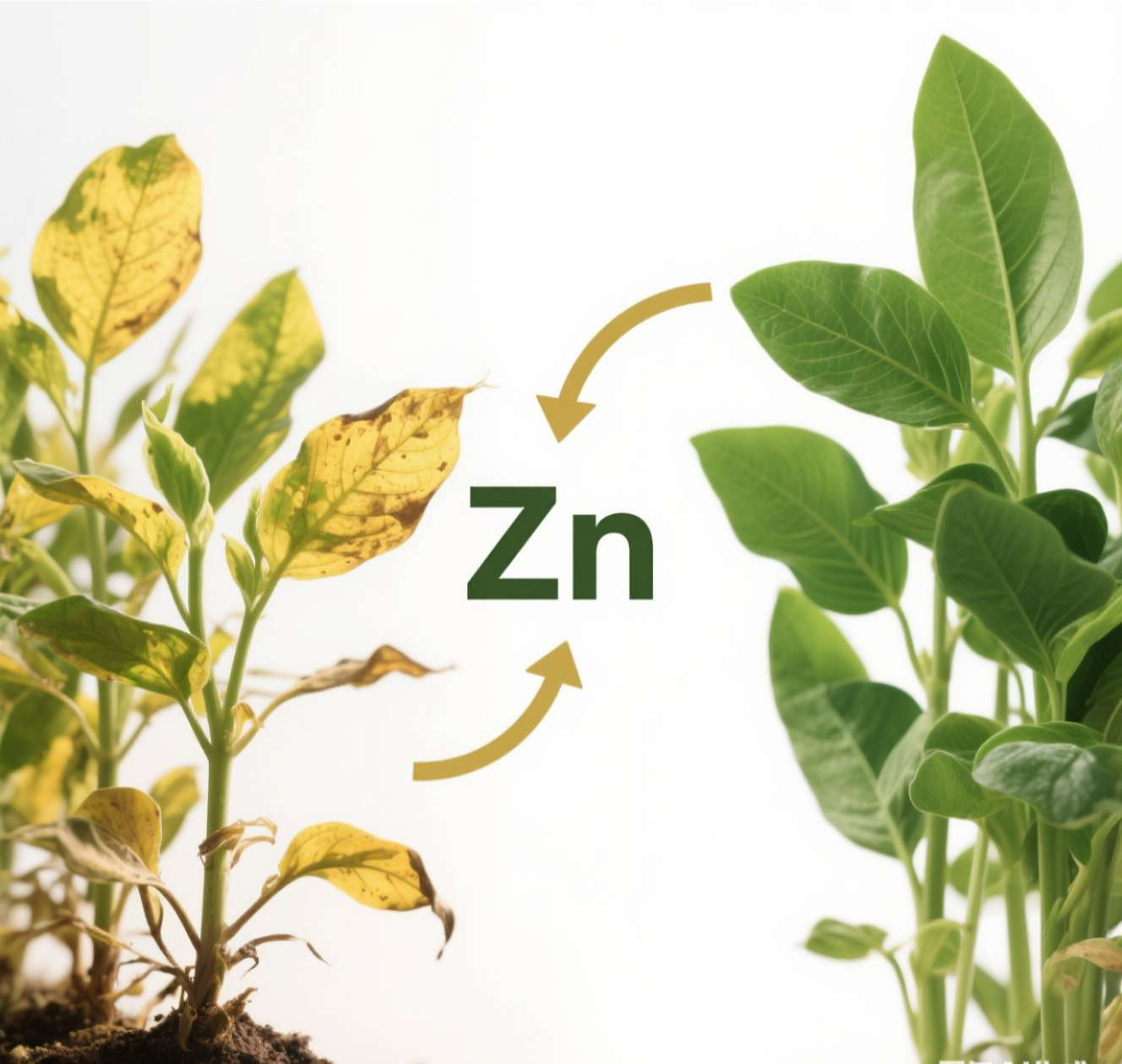
- Zinc-Rich Conditions: When zinc is abundant, FUN proteins form inert filaments and effectively silence their transcriptional activity. This mechanism ensures that nitrogen fixation is suppressed to prevent unnecessary energy expenditure.
- Zinc-limited conditions: Conversely, when zinc becomes scarce, often indicating overall nutrient stress, the filaments disassemble into active monomers. These monomers then bind to specific DNA sequences, which triggers the expression of genes critical for maintaining nitrogen fixation. This enables legumes to fix nitrogen even when soil nitrogen levels are sufficient, a crucial adaptation for survival.
“This represents a paradigm shift in plant signaling,” emphasized Dr. Jieshun Lin, the study’s lead author from Aarhus University. “While zinc’s importance as a micronutrient is well-established, its role as a secondary messenger coordinating symbiotic processes was unforeseen. It’s like discovering a hidden conductor orchestrating the nitrogen fixation symphony.”
Agricultural Implications: From Lab to Field—A Path to Sustainability
The discovery of the role of FUN opens new frontiers for sustainable farming and addresses two intertwined global challenges: food security and environmental degradation.
1.Engineering Extended Nitrogen Fixation
Natural legume-rhizobia symbiosis often shuts down nitrogen fixation when soil nitrogen levels increase, which limits its agricultural potential. Through genetic engineering, scientists aim to manipulate the FUN pathway to override this shutdown mechanism. This could enable legumes to fix nitrogen over longer periods, improving soil fertility and reducing the need for synthetic fertilizers. Modified soybean or pea varieties could become “nitrogen powerhouses,” increasing yields while minimizing environmental impact.
2.Precision Nutrient Management
Understanding zinc’s signaling role enables targeted fertilization strategies. Farmers could optimize zinc application based on FUN activity, ensuring efficient nitrogen fixation without overuse. This precise approach saves costs, reduces soil pollution from excessive fertilizers, and enhances crop resilience to nutrient fluctuations.
3.Revolutionizing Crop Rotation Systems
Enhanced nitrogen fixation in legumes benefits subsequent non-legume crops in rotation. By engineering FUN-driven nitrogen retention, legumes could leave behind “nitrogen reservoirs” in the soil. This would significantly reduce the need for fertilizers in subsequent crops, such as wheat or corn. This could transform sustainable farming practices, especially in regions facing soil degradation.
4.Commercialization and Global Impact
The team has already filed a patent for FUN-related technologies, paving the way for commercial applications. As global food demand increases and climate pressures intensify, biological innovations like FUN offer a viable path toward “climate-smart” cropping systems. By reducing reliance on nitrogen fertilizers, which are a major contributor to greenhouse gas emissions and water pollution, this discovery could transform agriculture from a problem into a solution.
Conclusion: From Molecule to Movement
The revelation of the FUN protein is more than a scientific curiosity—it’s a clarion call to reimagine agriculture. By harnessing nature’s zinc-sensing mechanisms, we can develop crops that fix nitrogen more efficiently, fertilize more precisely, and cultivate healthier soils. As research progresses, FUN-inspired technologies could become essential tools for sustainable farming, offering hope for a future where food production and environmental stewardship coexist.