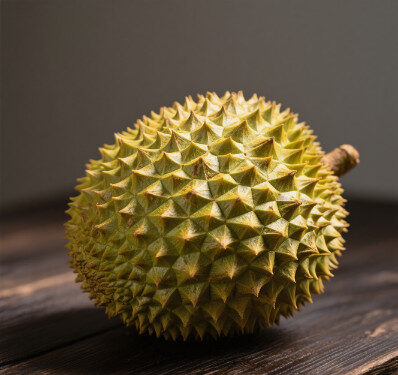
Hanoi, August 2025 — Amid mounting pressure from China regarding food safety violations, Vietnam’s Ministry of Agriculture and Rural Development (MARD) has initiated a comprehensive crackdown on durian exports. This effort aims to rebuild confidence in the country’s signature fruit and preserve a vital trade relationship.
According to Chinese customs alerts, multiple batches of Vietnamese durians were rejected this year due to the detection of auramine O, a banned industrial dye used in some processing methods, as well as unsafe levels of cadmium, a toxic heavy metal. These revelations have triggered a diplomatic and economic backlash. China, Vietnam’s largest importer of agricultural products, has stepped up border inspections and rejected shipments.
The impact on Vietnam’s export economy has been swift and significant. In the first half of 2025, the country’s total fruit and vegetable exports to China plummeted to $3 billion — a 9.7% drop from the same period last year. Durian shipments have suffered severe disruptions in particular as Beijing tightened quality controls, dealing a blow to Vietnam’s lucrative “king of fruits” trade.
In response, Hanoi has moved swiftly to overhaul its export system. The Ministry of Agriculture and Rural Development (MARD) has implemented stringent “farm-to-port” inspections targeting every link in the supply chain to prevent contamination. New national standards for popular durian varieties, such as the Ri6 and Dona cultivars, have been drafted. These standards specify precise harvest timelines (ranging from 85 to 120 days post-bloom, depending on the region), bans on damaged or rotten fruit, and strict rules against pulp hardening or discoloration.
“These new measures are designed to ensure 100% compliance with international food safety standards,” said a Ministry of Agriculture and Rural Development (MARD) spokesperson. They added that violators would face “heavy penalties, including export bans.”
China has signaled cautious approval of Vietnam’s efforts. In late June, a delegation from the General Administration of Customs (GACC) visited Vietnamese durian farms, packing facilities, and testing laboratories. While praising Hanoi’s “improved oversight,” Chinese inspectors stressed that Beijing would maintain a “zero-tolerance” policy for any future violations and threatened to halt imports if standards slipped.
As Vietnam attempts to clean up its durian industry, analysts warn that recovery will require more than temporary fixes. “Sustainability is key,” said Nguyen Van Thanh, a trade expert at Hanoi University. “Vietnam must invest in cleaner farming techniques and transparent supply chains to avoid future crises.”
With China accounting for over 70% of Vietnam’s durian exports, the fate of the “kingdom of fruits” hinges on its ability to meet Beijing’s stringent demands. As the region’s largest consumer market tightens its grip on quality, Vietnam’s durian farmers now face a high-stakes test. Can they strike a balance between taste and safety to win back the world’s most demanding customers?