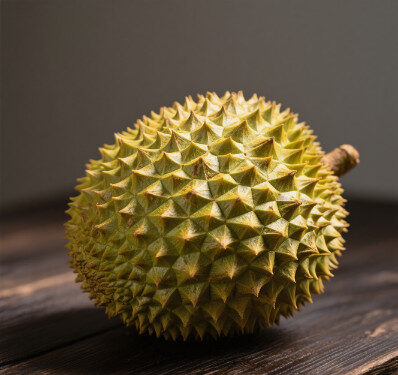
As China’s durian market continues its robust growth, Indonesia is strategically positioning itself to capture a larger share. In a significant move to enhance profitability, Indonesian agriculture officials have announced plans to circumvent traditional intermediary countries like Thailand and Malaysia, establishing direct export channels to China.
The initiative was confirmed by Indonesia’s Vice Minister of Agriculture, Sudaryono, who recently held talks with China’s Vice Minister of Agriculture and Rural Affairs to accelerate the process for direct durian exports.
Sudaryono highlighted a key bottleneck in the current supply chain. “So far, Indonesian durians must first be exported to Thailand before being re-exported to China,” he stated. This indirect route significantly erodes profit margins, allowing Indonesian producers to retain only about 10% of the profits. The Vice Minister emphasized that establishing a direct supply line could dramatically increase this figure, potentially raising profitability to 30%.
Beyond durian, Indonesia also plans to explore opportunities to export chicken meat and eggs to the Chinese market. Sudaryono noted that Indonesia has achieved self-sufficiency in these sectors and is now facing oversupply, creating an urgent need to initiate exports to China and other international markets. “Indonesia is ready to compete globally with fresh, high-quality products,” he asserted, “and we can participate in a proper and responsible manner.”
Industry data underscores the potential. In 2023, Indonesia produced a substantial 1.83 million tons of durian. For instance, in Central Sulawesi province alone, registered durian plantations cover 3,056 hectares. However, a significant portion of the current harvest is destined for processing into products like jam and ice cream, which offer far lower returns compared to exporting whole fresh fruit.
The allure of the Chinese market is clear. According to Chinese customs data, the country’s durian imports hit a record 15.6 billion kilograms (15.6 million metric tons) in 2024, with a total value approaching $7 billion, representing a 9.4% year-on-year increase.
While the ambition is clear, industry analysts point to challenges. “Logistics pose a challenge due to Indonesia’s greater distance from China compared to competitors like Thailand and Vietnam,” one insider commented. To compete effectively, Indonesia will need to further improve its post-harvest infrastructure and storage methods, as well as develop a wider variety of durian cultivars to win over discerning Chinese consumers. Despite these hurdles, Indonesia’s direct-supply strategy signals its serious intent to become a major player in the lucrative Chinese durian market.