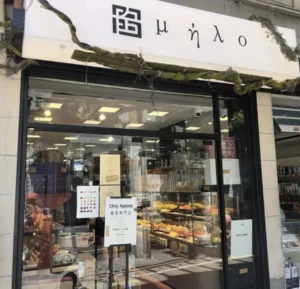
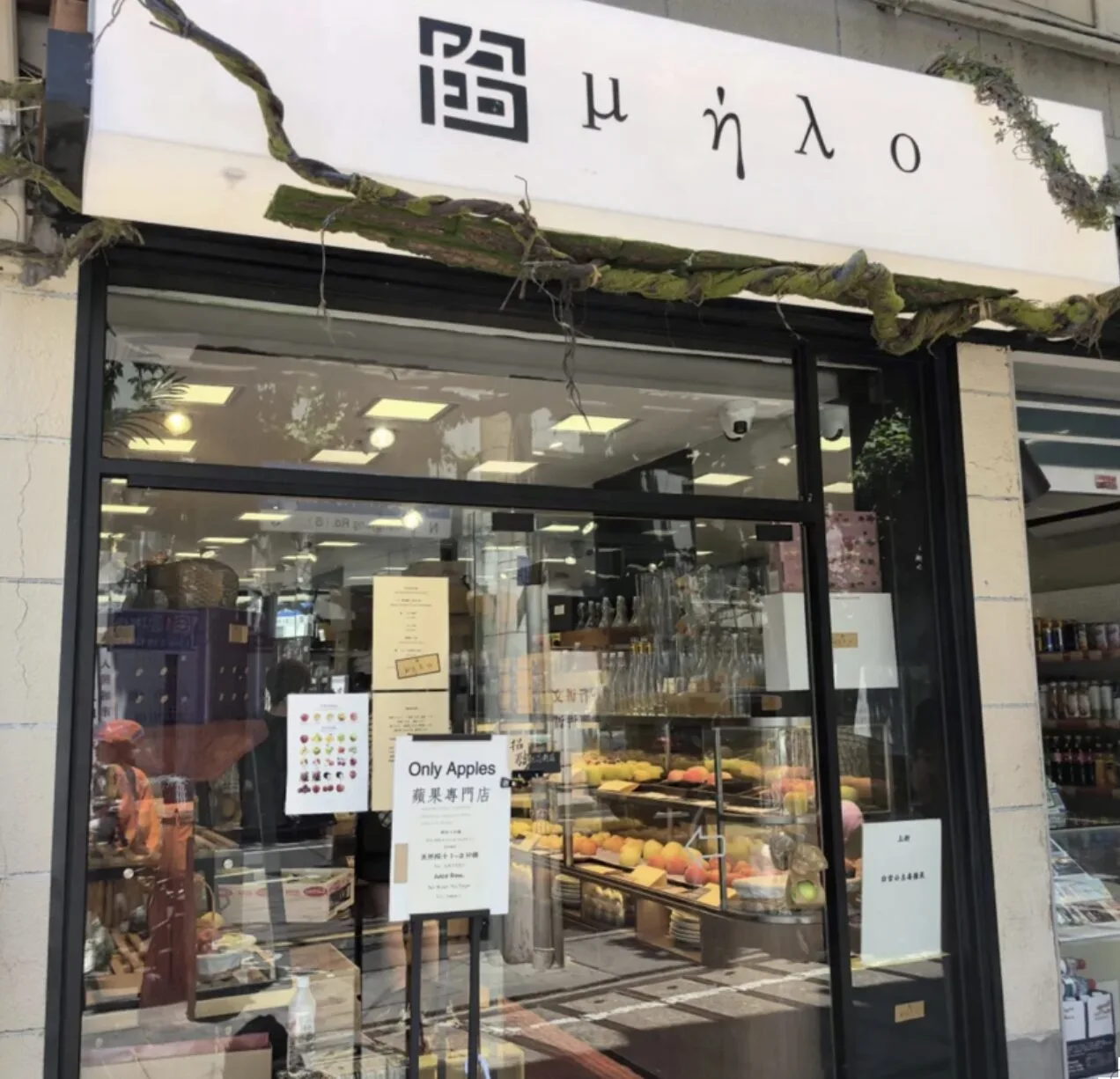
On the streets of Shanghai, a fruit shop named “μήλο” (the Greek word for apple) has quietly become a sensation. True to its “Only Apples” concept, the store exclusively sells apples—ranging from a few yuan per catty to nearly 300 yuan per single fruit. Topping the price list is the “Shangri-La Select” apple from Tibet, priced at an eye-popping 293.1 yuan per piece, leaving many customers stunned and netizens joking that “no one dares to call apples the most boring fruit anymore.”
A Curated Apple Experience
The shop brings together more than 20 domestic and international apple varieties, creating a dedicated apple-tasting space that has become a new social media hotspot in Shanghai.
The store’s apple hierarchy is clearly defined. At the entry level, traditional Red Fuji apples sell for just 6 yuan per catty. At the premium end, individual apples are sold by the piece, with prices ranging from several tens of yuan to nearly 300 yuan. Varieties include the niche Wanglin, Aifeng (Envy), Aomori, and the Shangri-La Select.
The price gap is vast—up to nearly 10 times between the cheapest and most expensive offerings.
The Top Sellers
The store roughly divides its 20-plus varieties into two camps: “World Apple New Nobility” and “Traditional Old Varieties.” Surprisingly, the best-seller is not the budget-friendly Red Fuji, but the “Toki Select” apple from Nyingchi, Tibet, priced at 99 yuan each. The second-best seller is Japan’s “Mikaoka Yang Guifei Select,” at 121 yuan each.
Premium apples are labeled “no-wash” and “edible with skin,” meaning the peel is wax-free and pesticide-free—a key differentiator from ordinary apples.
The Crown Jewel: 293.1 Yuan Apple
The store’s most expensive offering is the “Shangri-La Select,” grown in Tibet and said to carry a unique rose fragrance. Store staff act like sommeliers, guiding customers through different apple “flavor profiles”—degrees of sweetness and acidity, hints of rose, or notes of lychee.
Customers can even sample several pre-cut varieties for free, enjoying what some have dubbed an “apple Omakase” experience. Many walk in out of curiosity but leave willingly paying nearly 700 yuan for a gift box of 12 apples, captivated by the subtle flavor nuances.
Fresh Juice and Beyond
Another popular item is freshly squeezed juice, blending apples with other fruits and vegetables—no water, no sugar added—priced at 49 yuan per cup. The store provides square cups and ice cubes, and staff recommend drinking on the spot, as cut apples oxidize quickly and lose flavor over time.
A Broader Trend Across China
Shanghai’s μήλο is not an isolated phenomenon. In recent years, more fruit shops and supermarkets across China have been selling apples priced at dozens or even hundreds of yuan each.
-
Homa Land Fruit Research Institute, which started in Lanzhou in 2023, has expanded to Zhengzhou, Changsha, and Shanghai, selling Wanglin apples at 99 yuan each and Highland Black Diamond apples at 168 yuan.
-
Shanghai Jiuguang Department Store sells winter-limited “Honey Peach Apples” at 168 yuan per catty, easily costing several hundred yuan for a single purchase.
The Driving Forces
Industry observers note that this apple consumption upgrade extends well beyond niche specialty stores. From HPP red heart apple juice—priced near 40 yuan and sold out for three consecutive years at Hema—to apple-infused specialty drinks at major milk tea chains, and premium varieties like Wanglin and Envy appearing in supermarkets, apples are penetrating every urban consumption scenario with “middle-class premium” cachet.
Key drivers include:
-
Technology innovation – HPP cold-pasteurization preserves the apple’s original aroma, transforming the high-acid red heart apple—rarely eaten fresh—into a hit juice product.
-
Social media buzz – Viral DIY recipes like “apple slices steeped in vitamin C water” and “apple-baked milk” have tagged apples with “healthy” and “sophisticated” appeal.
Shifting the Orchard Landscape
Consumer enthusiasm is finally reaching production sources, quietly reshaping China’s apple planting structure. For years, Red Fuji dominated China’s apple output. But growers are now turning to new premium varieties that command higher prices.
According to the 2025 China Apple Industry Development Report, in newly established orchards, new varieties such as Ruixue, Ruixianghong, and Luli now account for over 70% of plantings. Retailers like Hema and Sam’s Club have introduced more than a dozen niche apple varieties—and while consumer opinions on taste vary, higher price points have become the norm.
Outlook: From Staples to Experiences
Industry insiders view the premium apple boom as a microcosm of China’s fruit market transformation—from necessity-driven, mass-market consumption to quality-driven, experience-oriented spending.
As consumers increasingly demand variety scarcity, flavor uniqueness, growing safety, and overall experiential quality, traditional high-volume, low-price fruits are losing competitive edge. The future of fruit industry upgrading and market growth lies in specialized, premium, and distinctive new fruit varieties.
Apples—once considered the most basic of “national fruits”—are now leading the charge in premiumization, offering a valuable reference for differentiation and branding across the entire fresh produce industry.