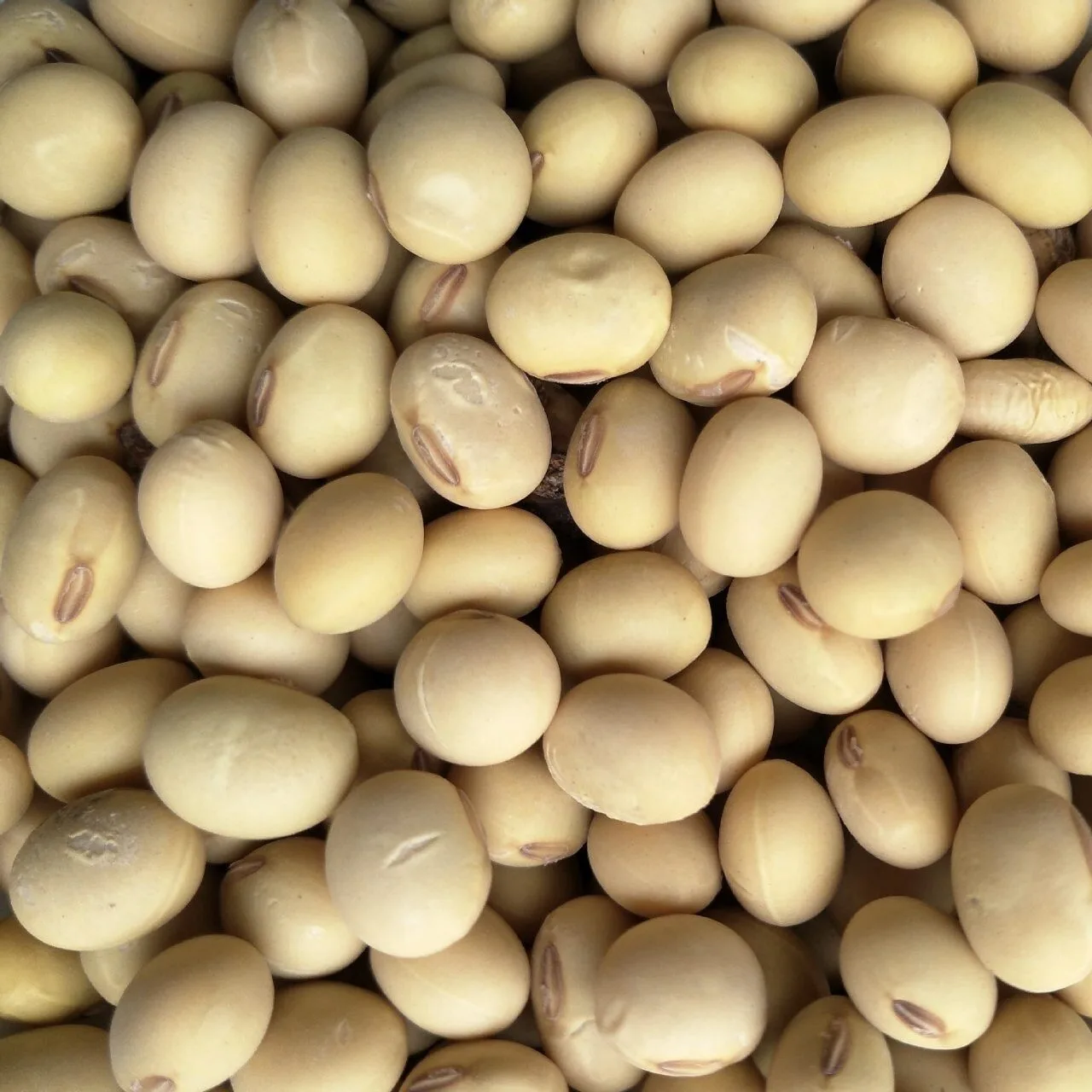
CHICAGO – US soybean futures extended losses overnight, pressured by expectations of a record-breaking harvest and weakening crude oil prices. The sharp downturn in the soybean oil market has added fresh headwinds for speculative longs, who currently hold substantial net long positions. Further technical deterioration could trigger forced liquidation, analysts warn.
Pro Farmer Forecasts Record Yield
Part of the downward pressure stems from Pro Farmer’s US soybean yield estimate of 53.3 bushels per acre, exceeding the USDA’s 52.7 bushels/acre projection. If realized, this would set a new historical high. The consultancy also projects 2026 US soybean production at a record 4.572 billion bushels, 53 million bushels above the USDA’s forecast.
Midwestern weather conditions remain broadly bearish. Ample rainfall in early August, combined with above-average temperatures through the remainder of the month, supports pod filling and grain development, pointing to a strong finish to the growing season.
USDA Crop Condition Report Disappoints
However, the USDA’s weekly crop condition report came in weaker than market expectations, contradicting hopes that widespread rains earlier in the month would significantly improve crop health.
The USDA reported that the good-to-excellent rating fell to 60%, down from 61% the previous week. The “excellent” share held steady at 12%, while the “good” share dropped one percentage point to 48%. Analysts had expected conditions to remain unchanged. The poor-to-very-poor rating rose to 12% from 10% the prior week.
State-level data showed a mixed picture: Iowa’s good-to-excellent rating eased to 77% from 78%; Illinois and Indiana held steady at 59% and 61%, respectively; South Dakota’s rating fell further to 46%, with poor-to-very-poor rising to 24%; Nebraska improved to 64%, though poor-to-very-poor still climbed to 12%.
Meanwhile, the USDA noted that 6% of soybeans had dropped leaves as of Sunday, slightly above the five-year average of 4%, while pod-setting reached 91%, compared with 85% the prior week and the five-year average of 88%.
Export Inspections Rise, but Cumulative Shipments Lag
Weekly USDA export inspection data showed a sharp rebound in US soybean shipments for the week ending August 20, totaling 420,895 tons (15.5 million bushels), up 43% week-on-week and hitting a six-week high. Egypt was the top buyer with 116,966 tons, with China absent from the destination list.
For the 2025–26 marketing year to date, cumulative US soybean shipments stand at 1.487 billion bushels, down 18% from the same period in 2024–25. Still, full-year exports are expected to exceed the USDA’s target of 1.52 billion bushels.
Historical Context: Pro Farmer vs. USDA
Historically, Pro Farmer’s estimates have tended to be lower than the USDA’s final figures, with a typical 2–4% variance since around 2005. If this pattern holds, the 53.3 bushels/acre estimate could imply an even higher final USDA yield, which would further inflate ending stocks. The market had been counting on export demand to tighten a supply situation already reflected in the USDA’s 325-million-bushel stock forecast, but rising production expectations are now sapping bullish momentum.
Soybean Oil Rout Adds Pressure
Soybean oil prices tumbled for a second straight session amid concerns that the EPA may postpone the compliance deadline for blenders beyond September 1, with small refinery exemptions (SREs) expected to be announced by late August. Uncertainty surrounding the Renewable Fuel Standard (RFS) has prompted some refiners to purchase renewable fuel credits instead of physically blending, driving credit prices sharply higher. This has weighed on actual soybean oil usage and roiled the vegetable oil market.
Demand Support Still Intact
Despite the bearish headlines, strong underlying demand may limit downside. Chinese buyers have continued to make substantial US soybean purchases over the past month, and prices below US$12/bushel on the November contract are expected to attract solid support.
Still, early Monday soybean export inspections stood at 53.3 million bushels, just 82% of the year-ago level. China’s buying pace remains slower than usual, with competition from Brazil keeping US exports under pressure. While Chinese buyers are purchasing on a routine basis, accumulated volumes have yet to reach the typical 10-million-ton seasonal level seen in prior years.
Global Implications
The confluence of a record US harvest outlook, policy uncertainty surrounding US biofuel mandates, and tepid Chinese buying is reshaping global soybean market dynamics. For importers — particularly in Asia — lower US prices could offer a window to secure supply at attractive levels. However, any further deterioration in US crop conditions or a shift in EPA policies could quickly reverse the price trend. For now, the market is watching whether US soybeans can find a price floor that satisfies both global buyers and US farmers, while keeping a close eye on Brazil’s competitive export window and the pace of future Chinese bookings.