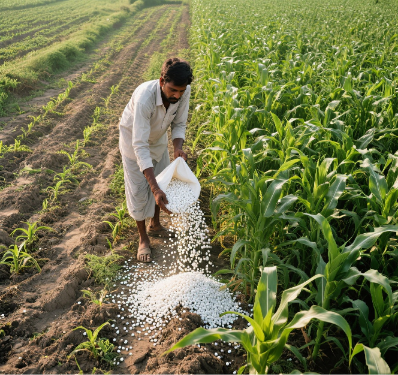
India’s Department of Fertilizers has formally requested a doubling of the fertilizer subsidy budget for the current fiscal year, as escalating costs driven by the Middle East conflict place mounting pressure on the South Asian nation’s agricultural input support system, according to a government official cited in international media reports.
With less than three months elapsed in the fiscal year, the department has already submitted the request to the finance ministry, citing the urgent need to cushion farmers from surging import costs. “We are expanding domestic production capacity to reduce import dependence,” the official said, adding that New Delhi expects international prices to remain elevated in the near term.
Import Reliance Exposes India to Global Price Shocks
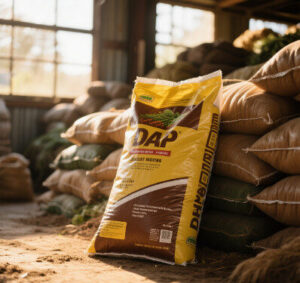
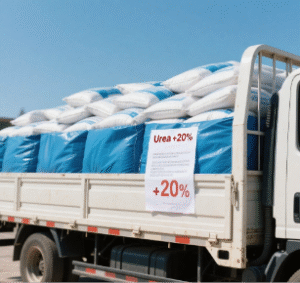
India, where agriculture remains a pillar of the economy, relies heavily on imported fertilizers, including urea and diammonium phosphate (DAP), to meet domestic demand. The country also imports significant volumes of liquefied natural gas (LNG), a critical feedstock for urea production. The Middle East conflict has disrupted shipping routes through the Strait of Hormuz—a key chokepoint for both energy and fertilizer supply chains—driving up global prices for natural gas, sulfur, and finished fertilizers.
The surge in input costs has directly impacted India’s fertilizer import bill. Domestic fertilizer producers, who rely on imported LNG for ammonia synthesis, have faced sharp increases in production costs, while imports of finished fertilizers have also become more expensive.
Subsidy Burden Set to Soar
India’s fertilizer subsidy scheme bridges the gap between international market prices and the domestically controlled retail prices paid by farmers. When global prices rise, the government’s subsidy obligation increases proportionally.
The official noted that the department’s request reflects a realistic assessment of the market outlook. “The conflict continues, and we do not foresee international prices softening anytime soon,” he said.
If the subsidy is doubled, it would represent a significant fiscal commitment—especially as India’s agricultural budget already faces competing demands. However, policymakers consider it essential to protect farmers from unaffordable input costs and to ensure food security.
Domestic Capacity Expansion Underway
In parallel with the subsidy request, India is accelerating efforts to boost domestic fertilizer production. The official emphasized that expanding indigenous capacity is central to the government’s long-term strategy to insulate the country from global supply shocks.
Several projects are already in motion, including the revival of closed urea plants and the expansion of existing facilities, with a focus on reducing reliance on imported urea and DAP. The government has also been promoting the use of alternative fertilizers and improving nutrient use efficiency to curb overall consumption.
However, domestic capacity expansion will take time to materialize. In the interim, India remains exposed to international price volatility, and the subsidy burden is likely to continue rising if geopolitical tensions persist.
Fiscal and Policy Implications
The request for a doubled subsidy allocation comes at a delicate time for India’s public finances. The government is balancing the need to support farmers with fiscal discipline, and any significant increase in fertilizer spending could affect other priority areas.
Nevertheless, analysts suggest that the political importance of fertilizer subsidies—given agriculture’s critical role in the rural economy and elections—makes it likely that the request will receive serious consideration. The ultimate decision will depend on the finance ministry’s assessment of fiscal space and the trajectory of global prices in the coming months.