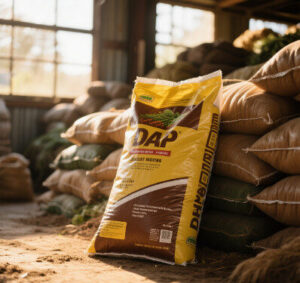

International urea prices have tumbled sharply in recent weeks, with some markets falling back to levels last seen before the Iran conflict erupted—signaling that fears of prolonged supply chain disruptions are steadily receding. The price retreat offers a potential reprieve for agricultural production costs and could help slow food inflation. However, industry insiders caution that energy prices remain elevated and the fertilizer market remains vulnerable to renewed tensions in the Middle East.
Prices Plunge Over 30% from Peak
According to data from Trading Economics, the benchmark urea futures price dropped to approximately $416 per metric ton on June 4, marking a single-day decline of about 6% and a cumulative fall of roughly 28% over the past month.
In the U.S. market, granular urea prices in the New Orleans region fell to approximately **$500 per ton** last Friday, hitting a new low since February 6 and down 36% from the mid-April peak. The Egyptian urea benchmark also sank to its lowest point since the conflict began, though at $580 per ton, it remains significantly higher than U.S. levels.
Middle East urea FOB prices have retreated to around $630 per ton, according to Argus Media data compiled by the International Fertilizer Development Center (IFDC), though this level remains roughly 28% above pre-conflict prices.
The price collapse has also weighed on fertilizer company shares. Major nitrogen producers CF Industries Holdings and Nutrien—which benefited from soaring urea prices and posted strong revenue growth in the first quarter—have seen their stocks drop approximately 20% from their mid-March highs.
Ample Supply and Weak Demand Drive Decline
The sharp decline in urea prices stems from multiple factors. On the supply side, producers that cut output in the early stages of the conflict have resumed operations. Meanwhile, the Northern Hemisphere has entered a seasonal purchasing lull following the end of the spring fertilizer application window.
China’s gradual return to international markets and ongoing U.S.-Iran negotiations aimed at restoring navigation through the Strait of Hormuz have further weighed on sentiment.
Bloomberg reported that major global fertilizer trader FertiStream attributed the price drop to China relaxing urea export restrictions and the market incorporating stranded cargo volumes from the Strait of Hormuz into supply calculations. FertiStream’s global market intelligence director, Milton Sato, added that depressed grain prices have further curbed farmer purchasing demand. Corn, wheat, and other agricultural commodities have declined toward pre-conflict levels after the market already faced ample global supplies and abundant inventories before the war.
Andrew Whitelaw, founder of agricultural market analysis firm Episode 3, noted that buyers are no longer concerned about short-term supply shortages as fears over Middle East supply disruptions ease. “The fertilizer market has undergone a remarkable shift over the past month. The topic of market discussion has now turned to how much further prices will fall,” he wrote.
The price drop could also shift trade flows. Some analysts suggest that with U.S. urea prices in certain regions now below those in import-dependent countries like Brazil, U.S. urea exports could see significant growth.
Risks Not Fully Resolved
“The market is currently digesting the previous risk premium, but risks are not completely eliminated—the impact of the initial shock was real,” said Kang Wei Cheang, agricultural broker at Singapore-based StoneX. He cautioned that the ongoing conflict keeps markets highly sensitive to energy prices and geopolitical developments, and any renewed supply chain disruption could reignite price rallies.
“While the market correction is a positive signal, it cannot be concluded that the situation has been settled,” said David Ortega, professor of food economics at Michigan State University. He noted that if peace agreements are reached and ceasefires hold, urea prices may gradually stabilize, but inflationary risks persist as geopolitical tensions continue to generate price pressures.
Traders pointed out that whether the downward trend continues depends on the pace of Chinese export clearances and demand from India’s next tender, which they expect to recover by late summer. Alexis Maxwell, Bloomberg Intelligence analyst in Chicago, believes that urea prices are likely to stabilize and recover from July as buyers gradually build inventories, with Brazil’s market being a key factor to watch. The Southern Hemisphere’s planting season, starting in September, could become a crucial demand driver for urea prices in the second half of the year.