A historic diplomatic breakthrough has sent shockwaves through global commodity markets, as a US-Iran ceasefire memorandum signed on June 14-15, followed by a formal agreement in Switzerland on June 19, paved the way for the full reopening of the Strait of Hormuz within 30 days and the lifting of US port blockades on Iran.
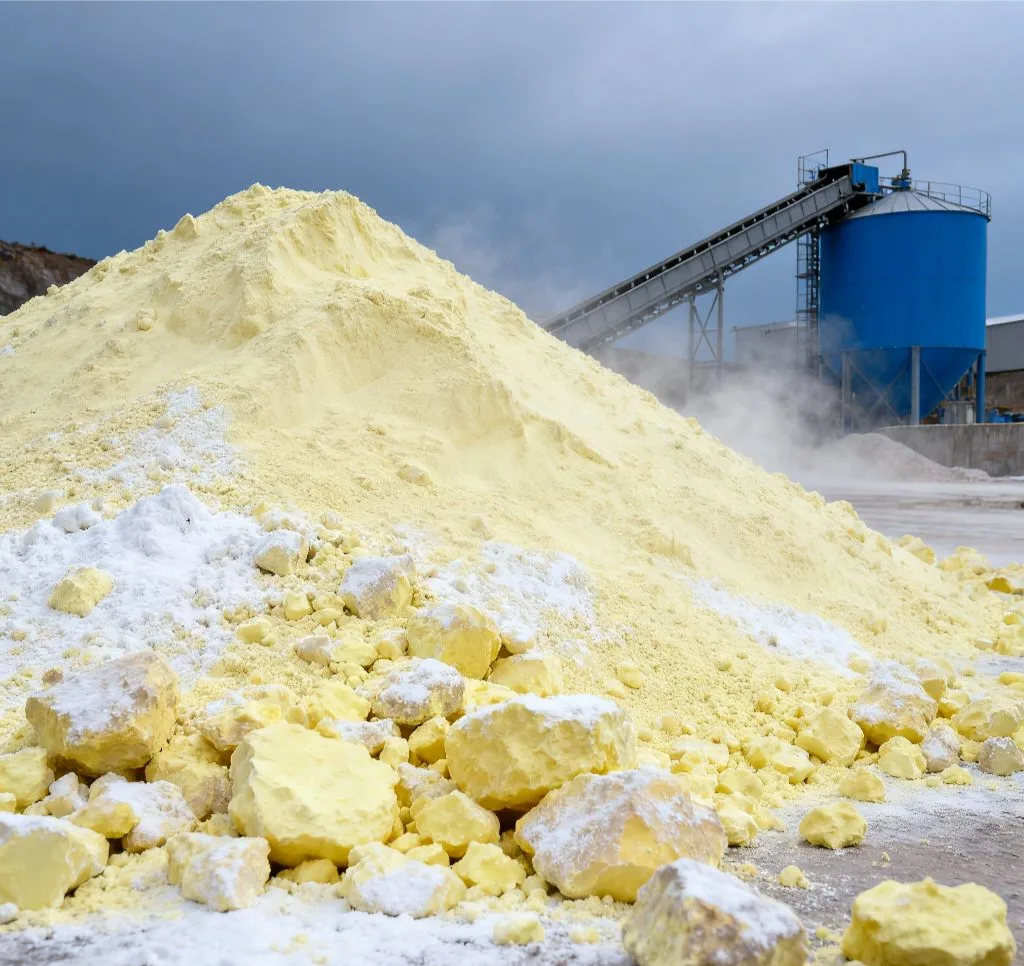
The deal immediately upended the sulfur market—one of the commodities hardest hit by the conflict—triggering a dramatic collapse in Chinese domestic sulfur prices on June 15, with spot quotes plummeting by RMB 1,500–3,250 per ton in a single day. Mainstream transaction prices fell back to the RMB 8,500–9,500/ton range, signaling the rapid unwinding of the war premium that had built up over the previous four months.
Strategic Waterway Reopens
The Strait of Hormuz is a critical chokepoint for global commodity flows. More than 40% of seaborne sulfur, one-third of crude oil, and substantial volumes of Middle Eastern synthetic ammonia and phosphate raw materials transit through the strait. Following the outbreak of the conflict in late February, shipping traffic through the strait shrank by an estimated 90%, crippling exports of Middle Eastern sulfur, which normally average 3.5–4.5 million tons per year.
China, the world’s largest sulfur importer, bore the brunt of the disruption. Domestic port sulfur inventories plunged from 2 million tons before the conflict to below 900,000 tons—dipping under the critical safety line. Supply shortages drove spot sulfur prices to a staggering RMB 11,750/ton, representing a year-to-date surge of over 210%.
Market Reaction: One Day, One Collapse
News of the June 14-15 ceasefire memorandum hit the Chinese market on June 15, triggering an immediate and violent selloff. Sulfur prices cratered by RMB 1,500–3,250/ton in a single session, with mainstream offers settling at RMB 8,500–9,500/ton—still historically elevated, but far below the panic-induced peaks.
Traders rushed to unwind long positions as the prospect of resumed Iranian exports and normalized Hormuz traffic erased the supply scarcity narrative that had dominated the market since late February.